

Americas
Selective — see noteIndustrial cooling & ventilation for Uruguay
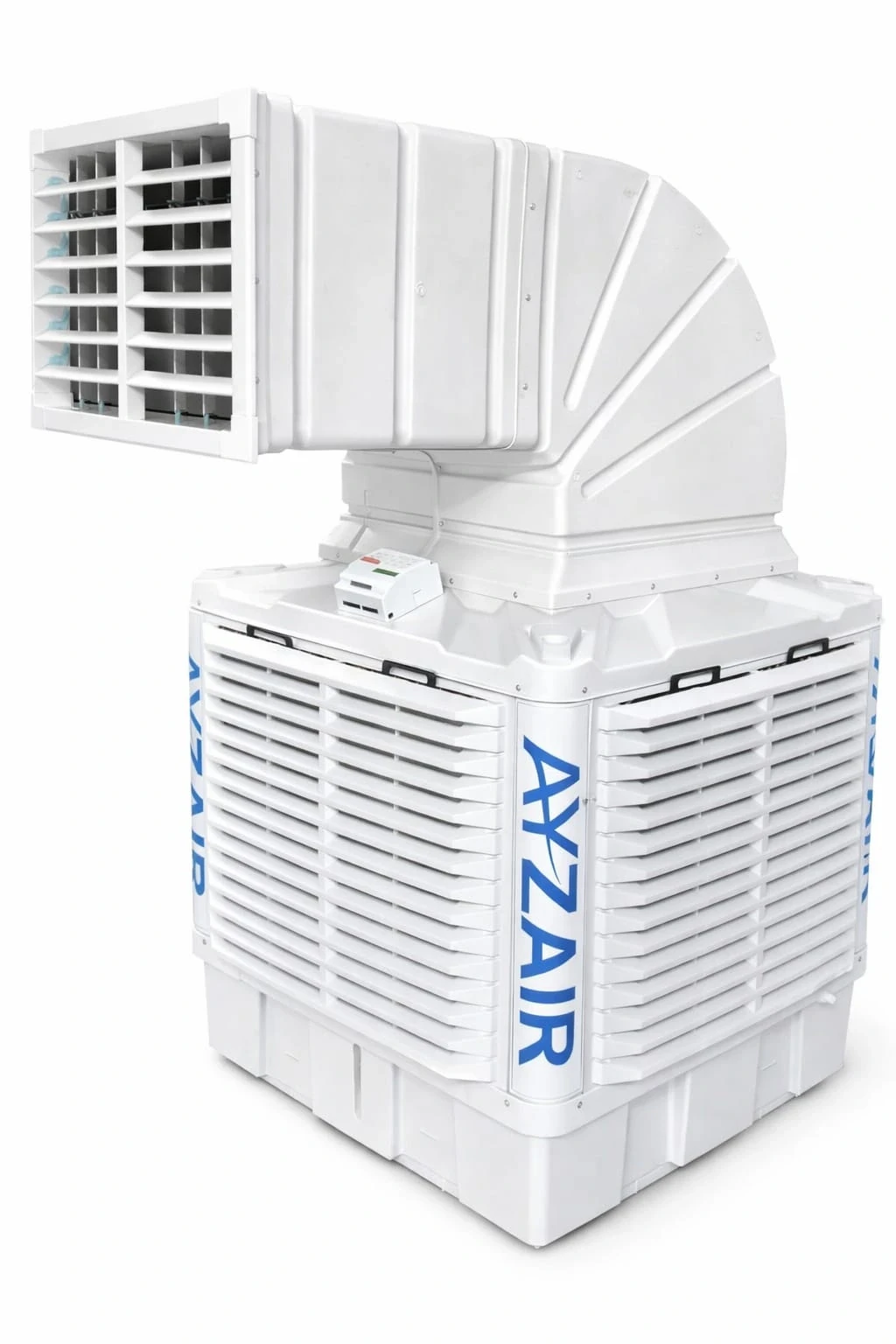
The Montevideo port and free zone sheds, the beef frigorificos around Canelones, Florida and Durazno, the dairy plants of the interior and the pulp mills at Fray Bentos and Paso de los Toros are the buildings that generate real enquiries here. In most of them the problem is removing heat, steam and odour from a working hall or keeping air moving around chilled and cold storage space, not dropping the dry-bulb temperature. Ayzair ships from Pune into Montevideo.
Climate suitability — the honest version
Temperate and humid — summer highs of 28–32 °C with 65–75% afternoon humidity, mild winters around 6–14 °C
We will be straight about Uruguay: it is not much of a cooling market. Summers are modest by the standards of this catalogue — Montevideo peaks around 28–32 °C — and the air is humid enough that evaporative cooling is the wrong product anyway, with afternoon humidity through the hot months sitting between 65% and 75%. What Uruguay does have is a lot of cold stores, beef and dairy processing halls, pulp mill buildings and logistics sheds, and those need air movement and extraction: pulling process heat, steam and odour out at the wall, keeping air turning over around chilled rooms, and stopping stratification in tall warehouses. That is the quote we would write, and we would not pad it with coolers.
Montevideo
Primary destination port
30–40 days
Sea transit from India
10–20days
Production lead time
4terms
EXW · FOB · CIF · CFR
The complete range
All six Ayzair families, supplied to Uruguay.
Every product we make is available in Uruguay — thirty-four models across six families. They are ordered here by how well each one suits the local climate and the industries that dominate this market, but nothing is off the list.
Industries
Who buys from us in Uruguay.
Logistics & compliance
Shipping to Uruguay.
| Destination ports | Montevideo · Nueva Palmira |
| Sea transit | 30–40 days from Nhava Sheva, usually transhipped |
| Incoterms | EXW · FOB · CIF · CFR |
| Container loading | 20 ft: up to 90 wall exhaust fans depending on size mix · 40 ft HQ: up to 24 crated HVLS fans |
| Production lead time | 10–20 working days |
- 230 V single-phase and 400 V three-phase at 50 Hz, which is our standard build — no rewind and no frequency change.
- Montevideo is a straightforward port and also serves as the sea leg for Paraguayan and Bolivian cargo, so transhipment and onward options are good. Direct sailings from India are rare; expect a transhipment and 30–40 days.
- Most of the real work here is extraction in wet, washed-down food halls. Tell us which units sit in the wash-down zone and we will specify sealing, motor protection and fixings for it — and for coastal sites at Montevideo, marine-grade finish and stainless fasteners against salt air.
- Uruguayan buyers often ask for local conformity documentation on imported electrical equipment. We hold no Uruguayan approval and do not claim one. We supply the full technical file, motor nameplate data and test reports so your agent can confirm and complete whatever the current requirement is.
Uruguay enquiry
Get a proforma invoice for Uruguay.
Tell us the models and quantities, or just describe the building and let us size it. You will receive USD pricing, your Incoterm, a container loading plan and a confirmed lead time — within one working day.
Export desk
Answers
Supplying Uruguay — common questions
Cannot find what you need? Call +91 80871 10156 or WhatsApp us — an engineer, not a call centre, picks up.
Ask on WhatsAppDo we need evaporative coolers in Uruguay?
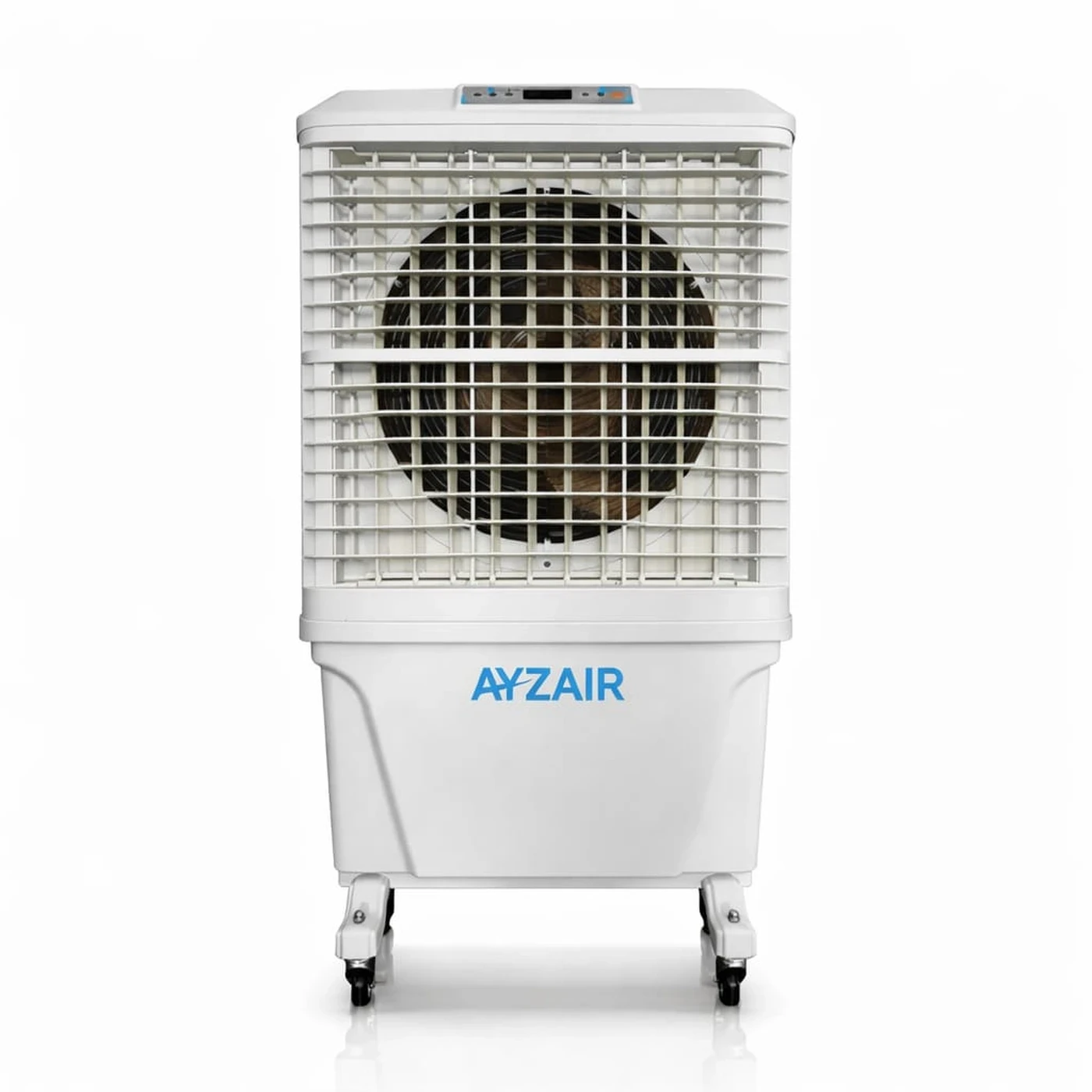
Honestly, no. The summer is not hot enough to justify them and the air is too humid for them to work well — 65% to 75% afternoon humidity leaves little wet-bulb depression, and you would be adding moisture to a damp building. If a hall gets uncomfortable in January, the answer is almost always more air movement and better extraction rather than a cooler.
What do you actually sell into a frigorifico?
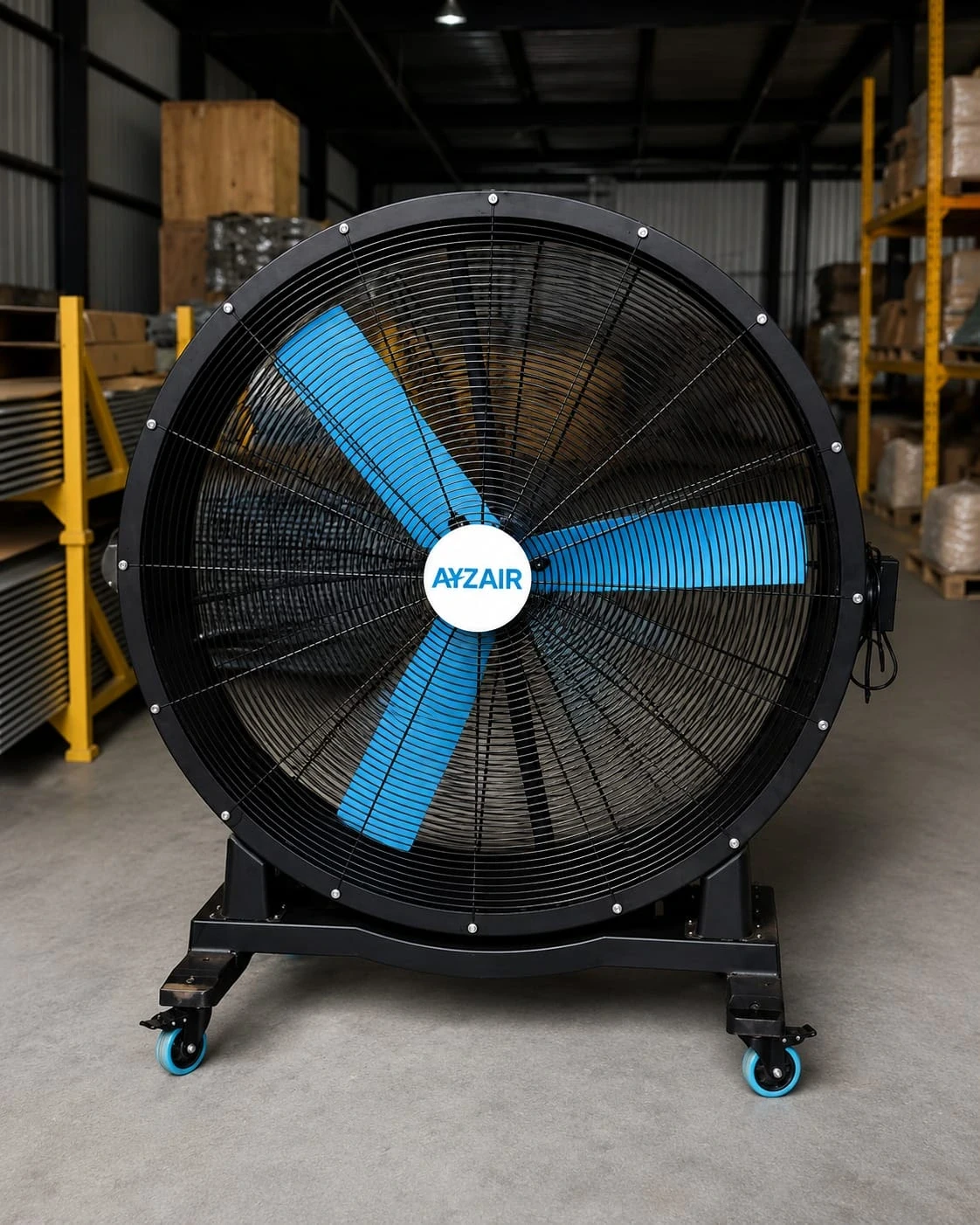
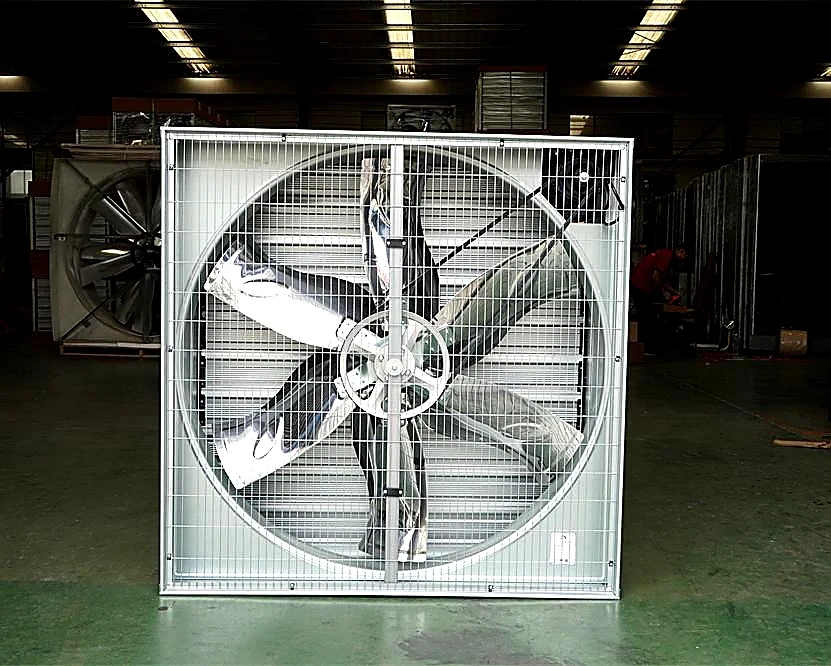
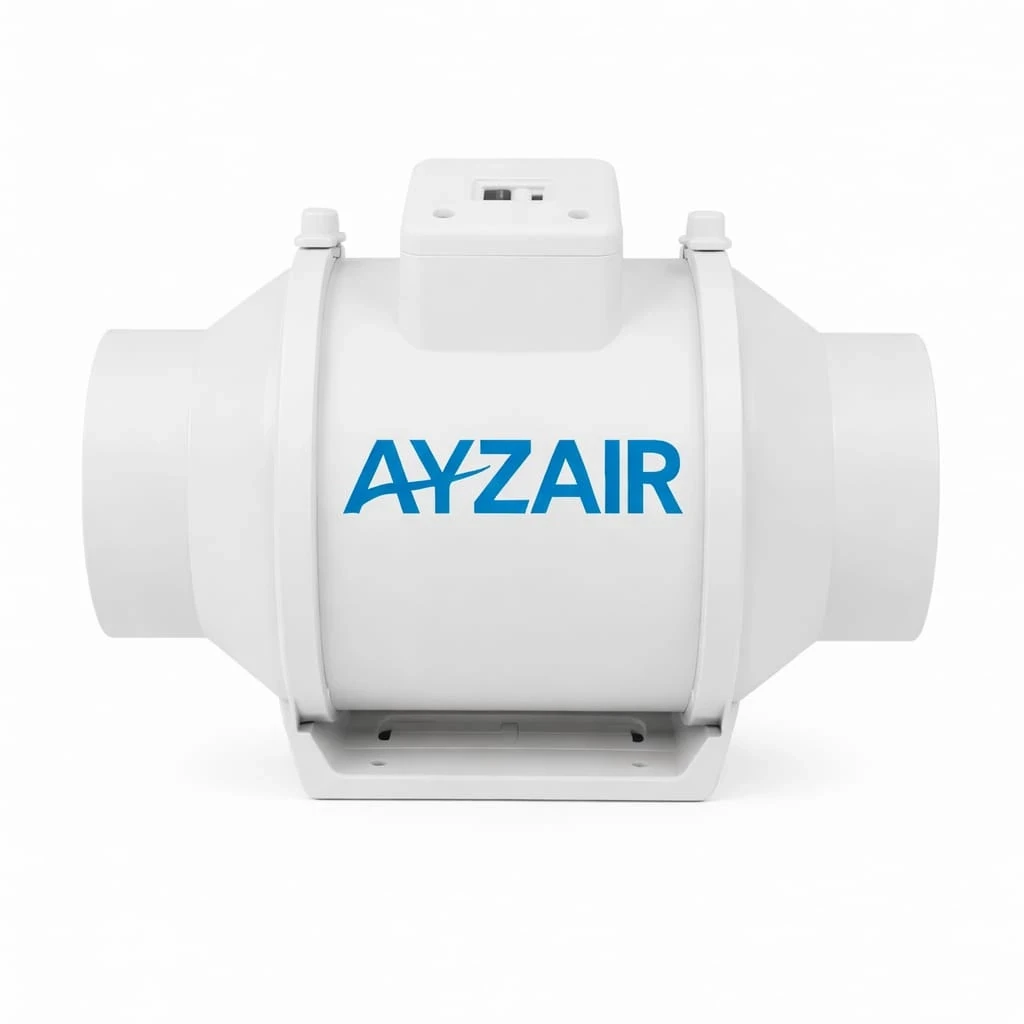
Hammer exhaust fans sized to the process load, to pull steam, heat and odour out of the cutting, cooking and rendering halls, and inline duct fans where the air has to be taken through ductwork at pressure. In the tall ambient areas HVLS fans keep air turning over and stop the roof space from stratifying. All of it specified for wash-down, because that is the environment.
Are HVLS fans worth it in a Uruguayan winter?
In a tall heated warehouse, yes — warm air collects at the roof while the floor stays cold, and an HVLS fan turning slowly pushes it back down, which makes the space usable and reduces heating demand. It needs 7 m of clear height under the blade, so send us a roof height before we quote. In an unheated shed there is nothing up there to recover and the winter argument does not apply.
Next step
Shipping to Uruguay?
Send your requirement and we will confirm the freight route, transit time, landed cost and whether our products genuinely suit your climate — before you commit.