
Americas
Strong fitIndustrial cooling & ventilation for Argentina
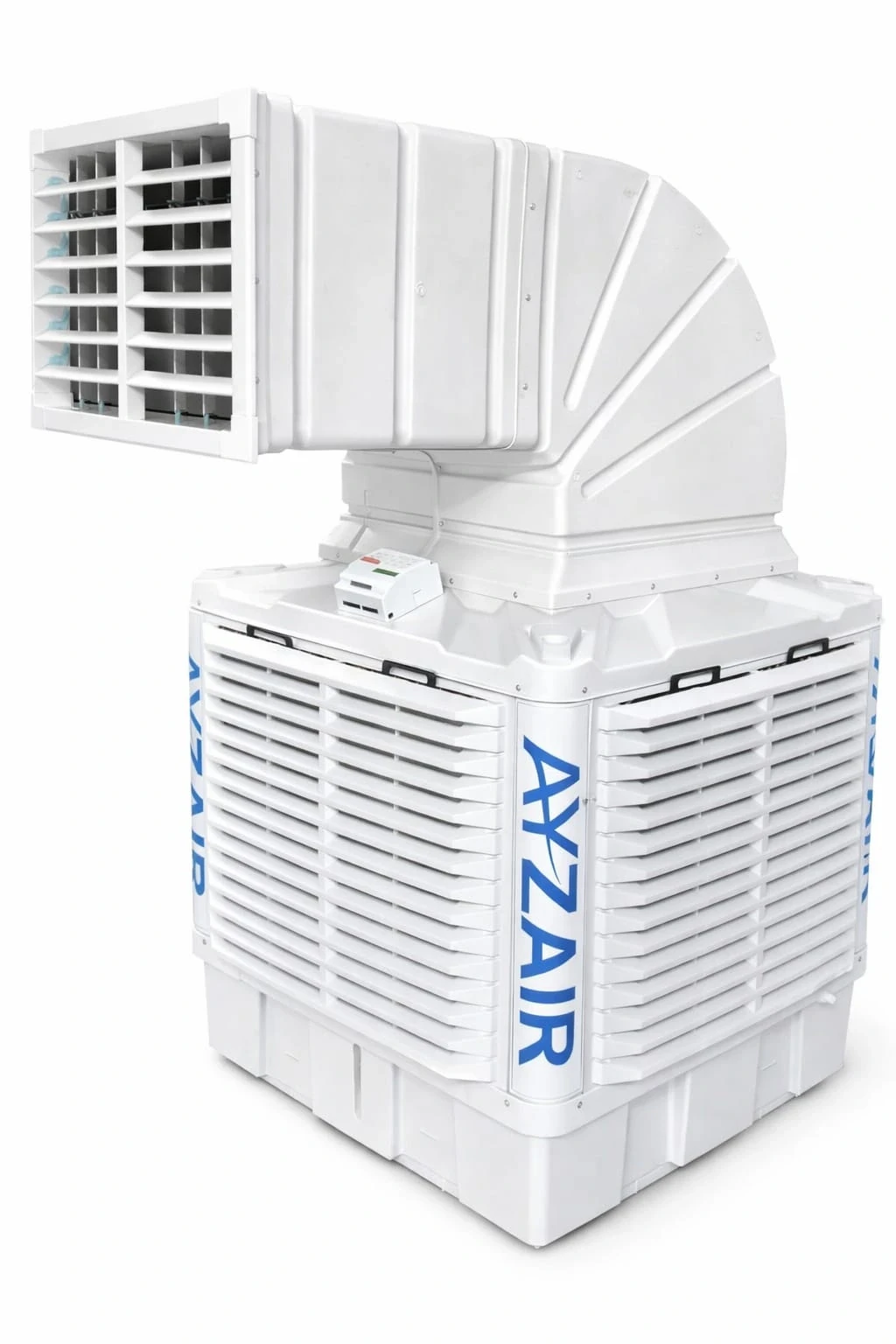
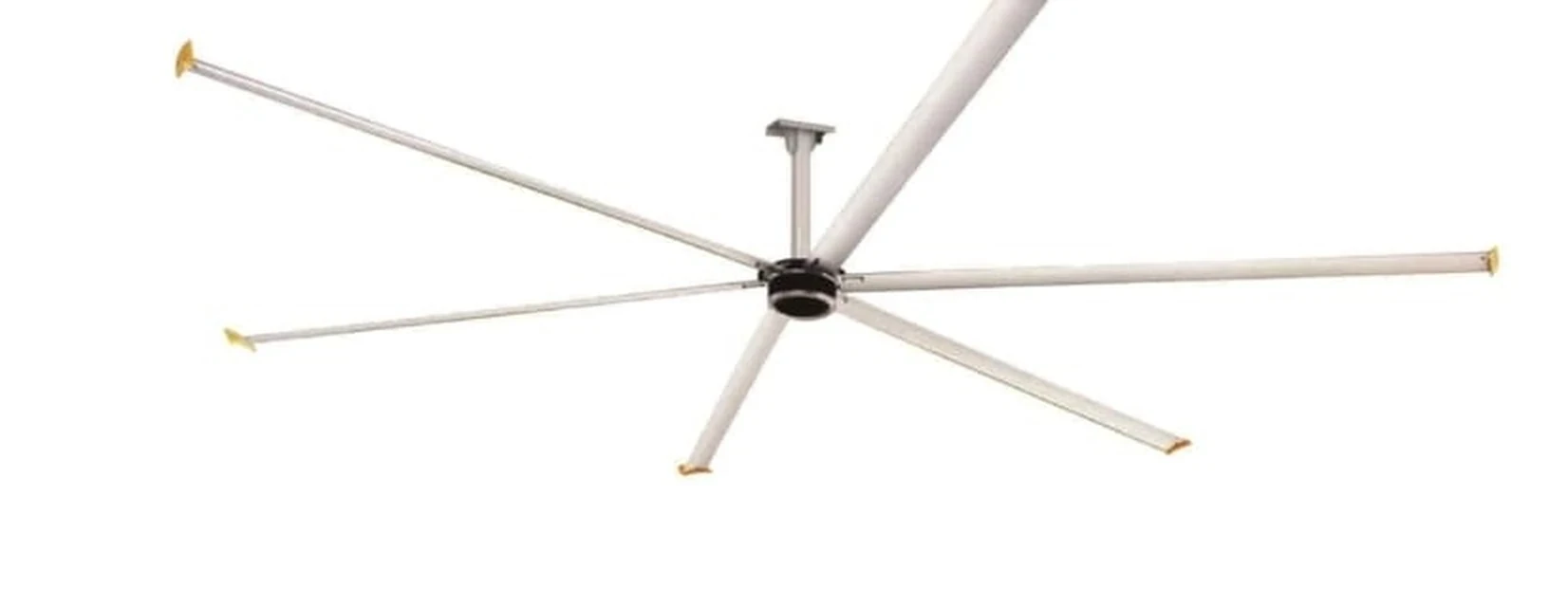
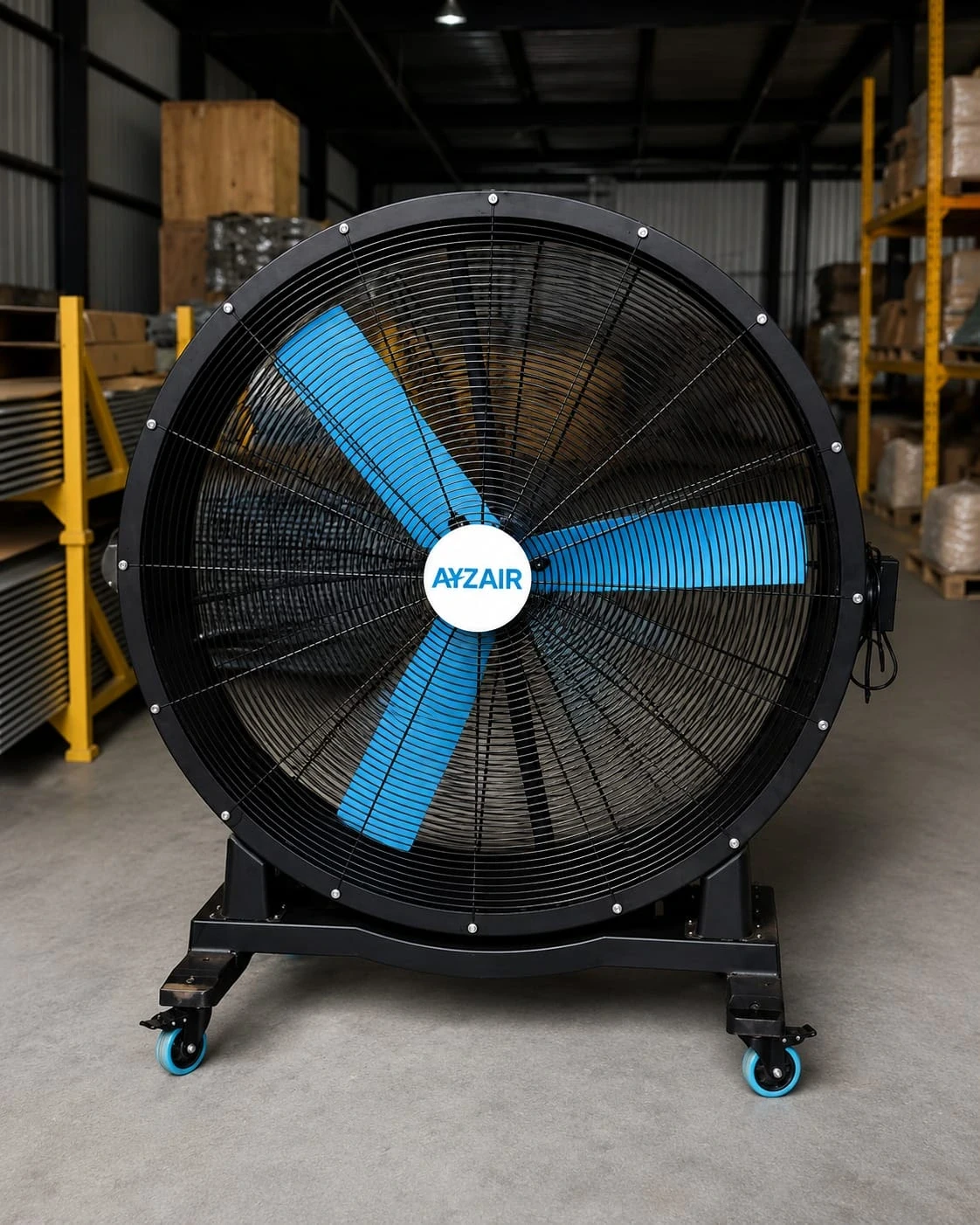
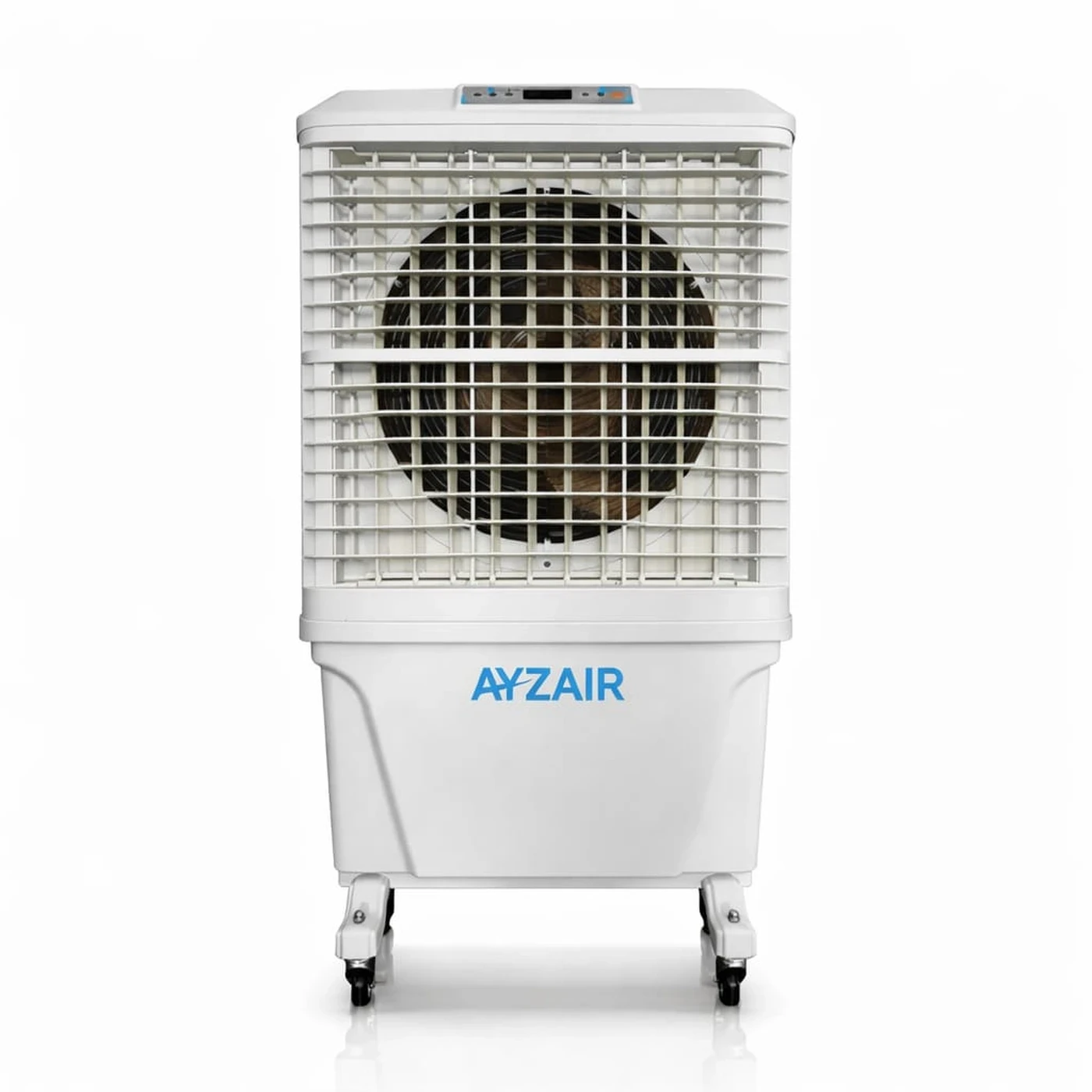
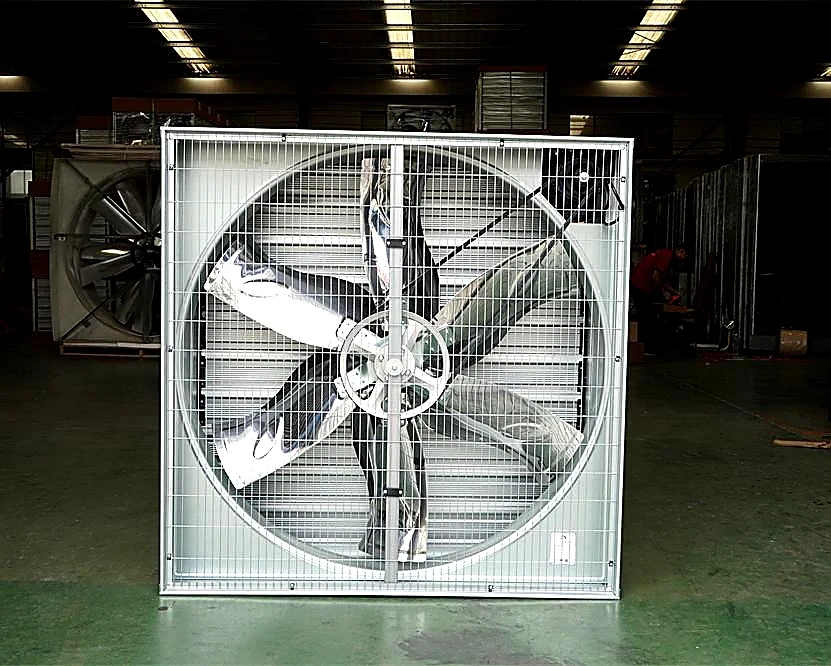
The Mendoza and San Juan wineries and packing sheds, the Santiago del Estero and Salta agro-industrial plants and the dry La Pampa grain works sit in exactly the air evaporative cooling was built for. The Cordoba automotive belt around Ferreyra and Santa Isabel, the Rosario and San Lorenzo crushing and grain terminals and the San Nicolas and Ramallo steel works are mostly in humid or mixed air, where HVLS fans and hammer exhaust fans do the real work. Ayzair ships from Pune into Buenos Aires, Zarate and Rosario.
Climate suitability — the honest version
Cuyo and the northwest reach 36–42 °C at 20–30% afternoon humidity; Buenos Aires and the littoral sit at 32–35 °C above 65%
Argentina does not get one verdict, and we would rather give you two. Cuyo — Mendoza and San Juan — is hot, dry and close to the ideal case for evaporative cooling: afternoon humidity through January and February commonly runs 20–30%, which is a very large wet-bulb depression. The northwest around Salta, Jujuy and Santiago del Estero and much of La Pampa behave the same way. Buenos Aires, Santa Fe, Entre Rios and the rest of the littoral are humid — afternoon humidity above 65% through the summer — and there evaporative cooling is the wrong product and we quote air movement and extraction instead. Tell us where the building is and the answer changes accordingly.
Buenos Aires
Primary destination port
30–40 days
Sea transit from India
10–20days
Production lead time
4terms
EXW · FOB · CIF · CFR
The complete range
All six Ayzair families, supplied to Argentina.
Every product we make is available in Argentina — thirty-four models across six families. They are ordered here by how well each one suits the local climate and the industries that dominate this market, but nothing is off the list.
Industries
Who buys from us in Argentina.
Logistics & compliance
Shipping to Argentina.
| Destination ports | Buenos Aires · Zarate · Rosario |
| Sea transit | 30–40 days from Nhava Sheva, usually transhipped |
| Incoterms | EXW · FOB · CIF · CFR |
| Container loading | 40 ft HQ: up to 60 duct coolers or 24 crated HVLS fans · 20 ft: mixed exhaust fan loads |
| Production lead time | 10–20 working days |
- 220 V single-phase and 380 V three-phase at 50 Hz, which is our standard build — no rewind and no frequency conversion.
- Electrical equipment entering Argentina is normally expected to carry a local safety conformity certificate issued through an accredited body, and the requirement is revised periodically. We do not hold Argentine certification and will not claim to. We supply the complete technical file, motor data and test reports, and your customs agent confirms what the current rule asks for before the goods sail.
- Harvest and crush seasons compress everything into a few weeks. If a cooler or extract fan has to be running for vintage in Mendoza or the February crush in San Lorenzo, order by October — a 30–40 day transit plus clearance does not leave room to recover a late decision.
- HVLS fans need 7 m of clear height under the blade. Many older packing sheds in Cuyo are lower than that, so send us a roof section or a measured height and we will say honestly whether a ceiling fan or wall-mounted air movement is the right answer.
Argentina enquiry
Get a proforma invoice for Argentina.
Tell us the models and quantities, or just describe the building and let us size it. You will receive USD pricing, your Incoterm, a container loading plan and a confirmed lead time — within one working day.
Export desk
Answers
Supplying Argentina — common questions
Cannot find what you need? Call +91 80871 10156 or WhatsApp us — an engineer, not a call centre, picks up.
Ask on WhatsAppWill evaporative coolers work in a Buenos Aires warehouse?
Not well, and we would rather say so. Afternoon humidity in Buenos Aires through the summer runs above 65%, which leaves very little wet-bulb depression to work with and adds moisture to air that already holds plenty. For a building in Greater Buenos Aires we quote HVLS fans for floor-level air movement and hammer exhaust fans to pull roof heat out.
How well do the duct coolers do in Mendoza?
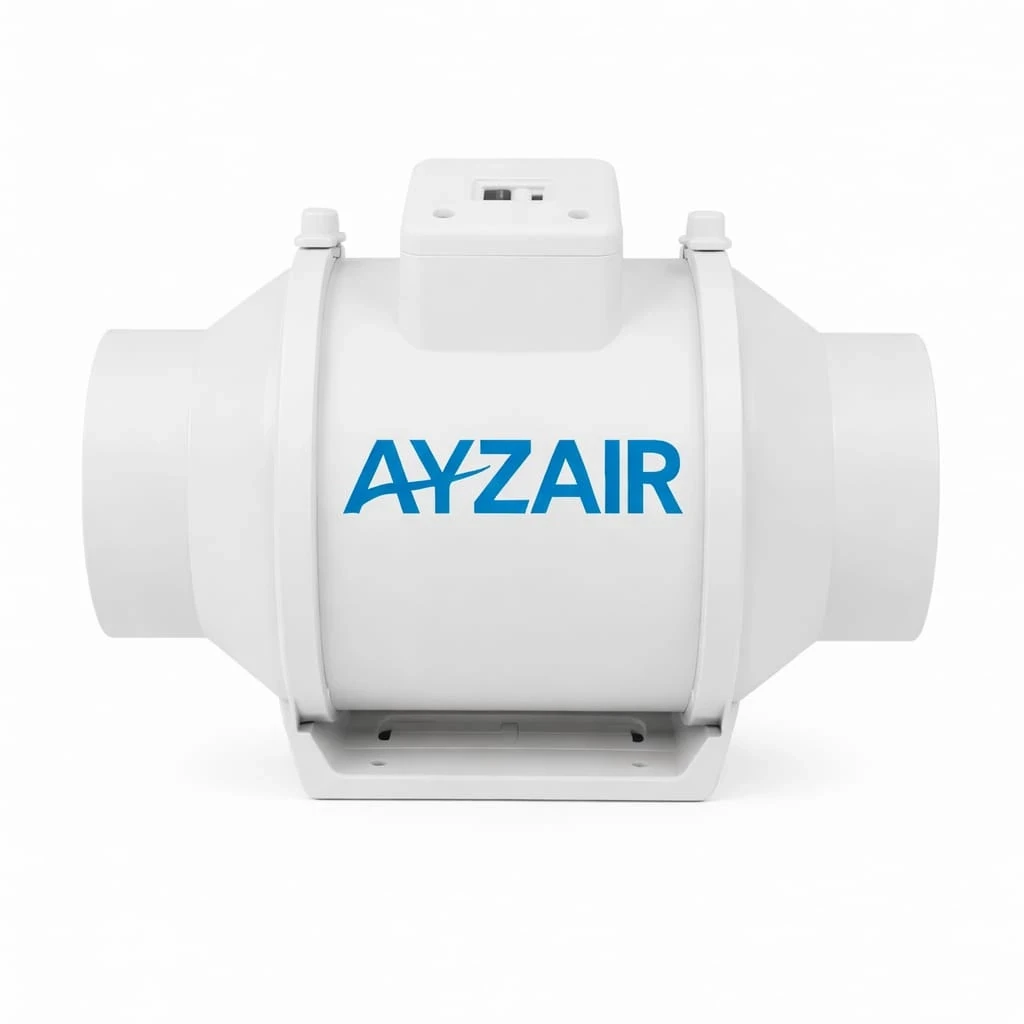
This is one of the better evaporative markets we ship to. At 38 °C and 25% relative humidity a well-maintained ducted unit of 18,000–30,000 m³/h delivers a large temperature drop on 1.5–3 kW, against a refrigeration load many times that. The dry air that makes Mendoza good for wine also makes it good for this technology.
Can you supply spares and pads once the machine is in Argentina?
Pads and the usual wear parts are stock consumables and ship as air freight or go with the next container order. In a dry, dusty region like Cuyo or Santiago del Estero plan on seasonal pad inspection — the pad acts as a coarse filter, which helps indoor air but means it loads up over a season.
Next step
Shipping to Argentina?
Send your requirement and we will confirm the freight route, transit time, landed cost and whether our products genuinely suit your climate — before you commit.