
South & Southeast Asia
Selective — see noteIndustrial cooling & ventilation for Cambodia
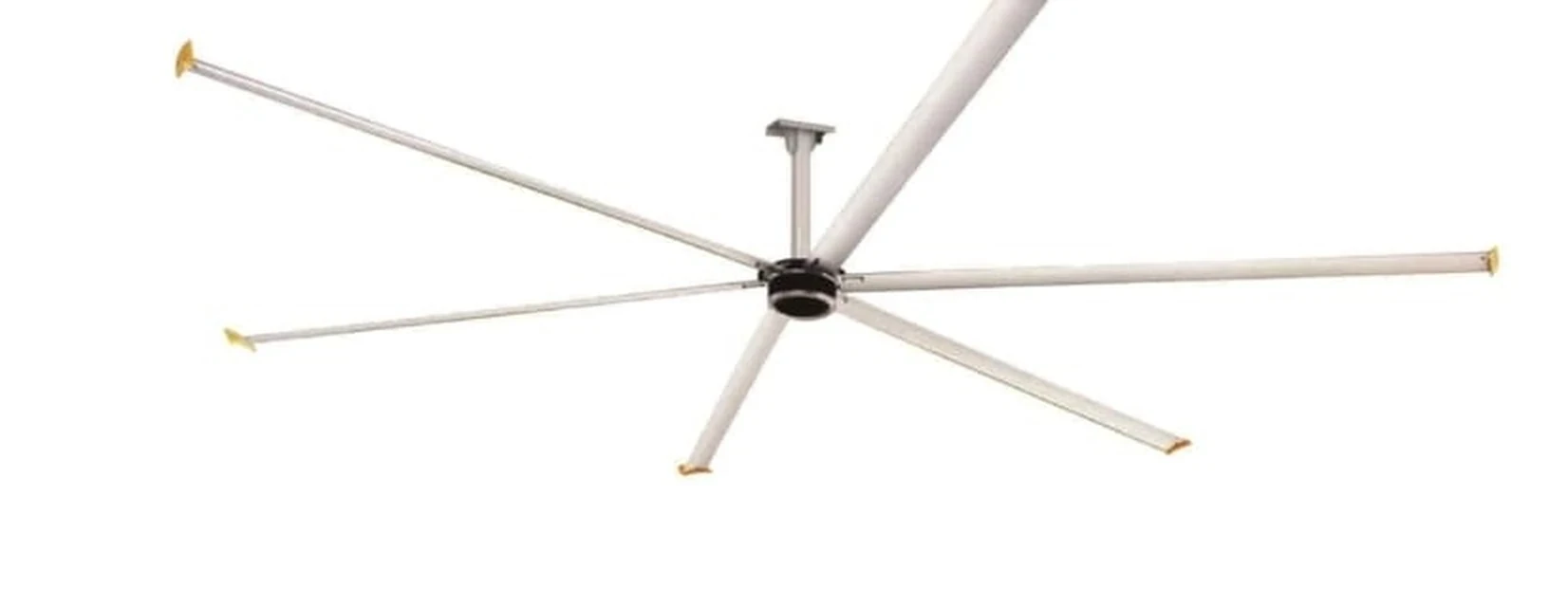
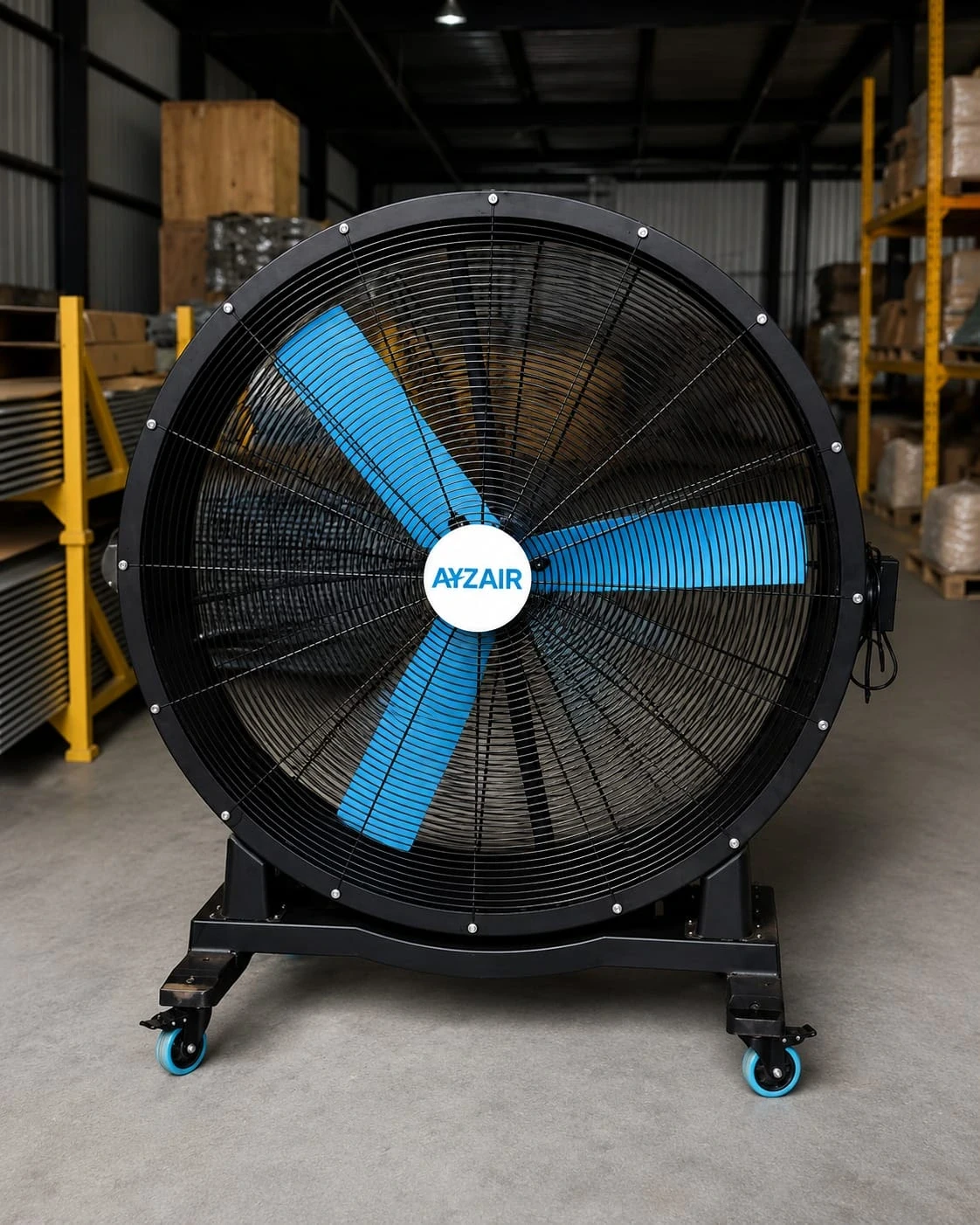
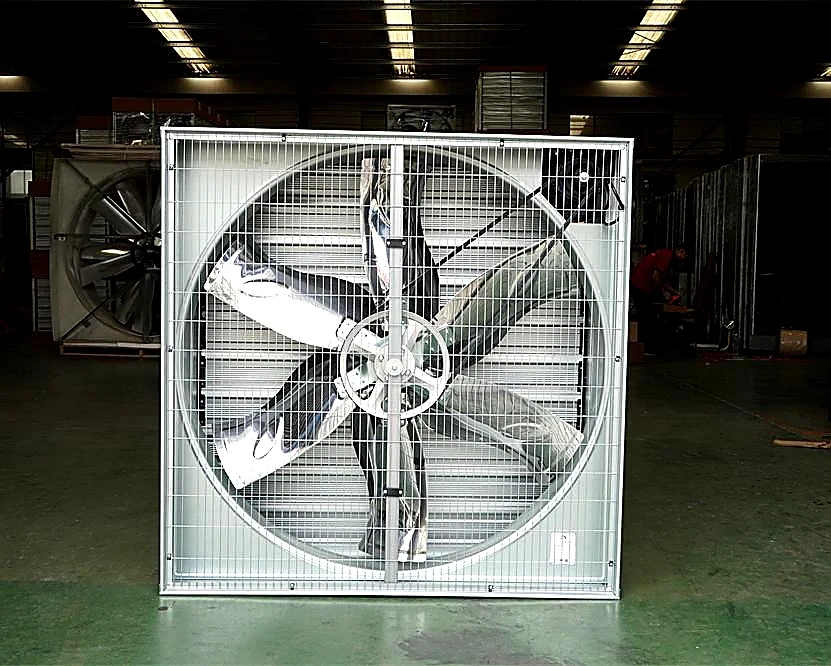
Cambodia’s garment, textile and footwear sector is the largest employer in the country, concentrated in Phnom Penh and the Kandal and Kampong Speu special economic zones, with newer plants in the Sihanoukville SEZ behind the deep-water port. Those factories run long production halls where air changes, not refrigeration, decide whether the floor is workable in April. Ayzair supplies hammer exhaust fans in fifteen sizes from 200 to 1750 mm, HVLS fans for the taller halls and Model 1500 mobile fans for spot cooling at pressing and finishing stations.
Climate suitability — the honest version
33–36 °C through March to May, relative humidity 60–80% and higher in the May–October monsoon
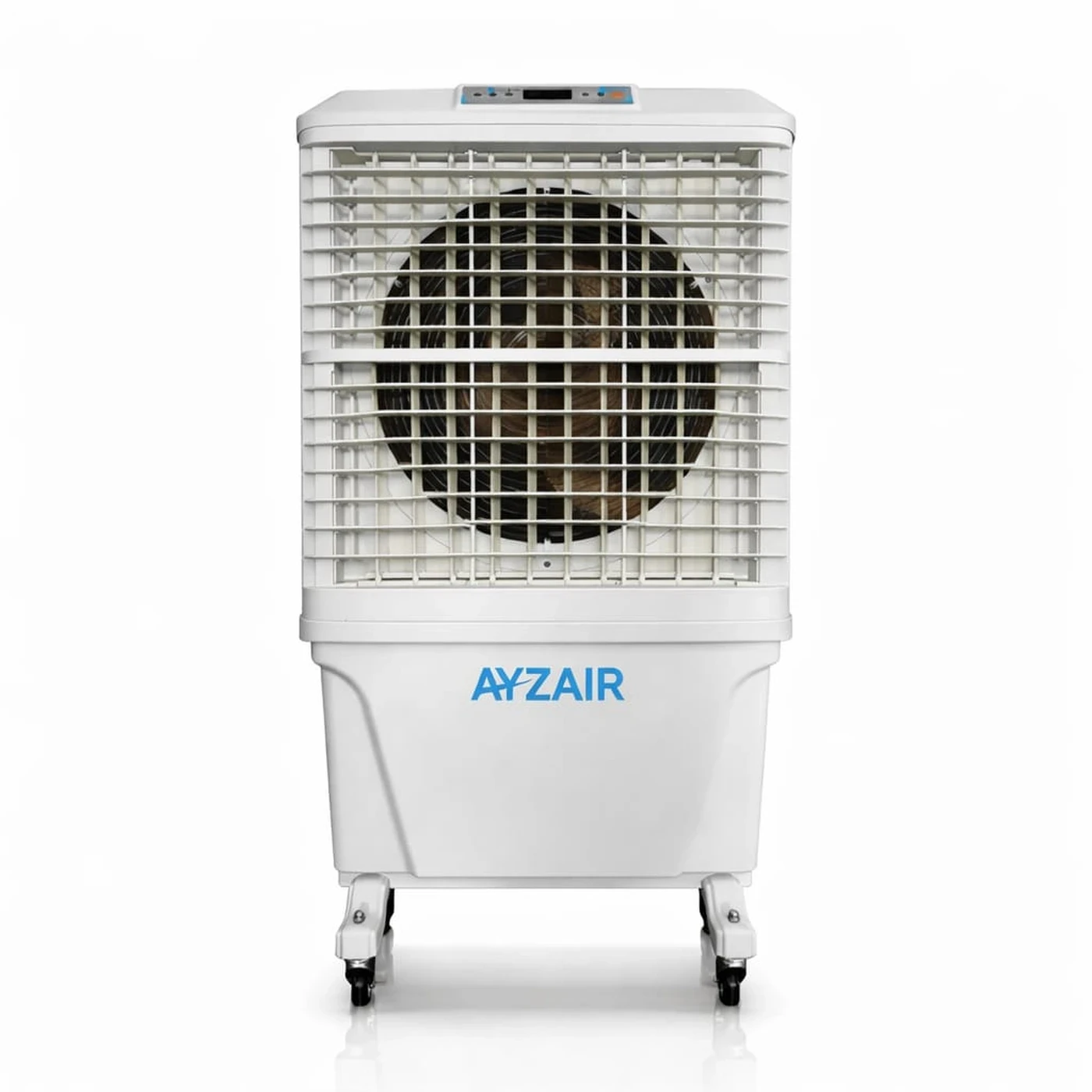
Evaporative cooling will not work in Cambodia and we do not offer it. The hot season is humid and the monsoon is worse, so a cooler would add moisture to a production floor without dropping the temperature meaningfully. Garment and footwear factories are, however, a genuinely good fit for hammer exhaust fans: long sealed production halls packed with sewing machines, steam presses and bodies produce a large sensible heat load that has to be pushed out of the building, and wall exhaust sized for air changes is the direct answer. HVLS fans work on top of that wherever the clear height reaches 7 m.
Sihanoukville Autonomous Port
Primary destination port
14–20 days
Sea transit from India
10–20days
Production lead time
4terms
EXW · FOB · CIF · CFR
The complete range
All six Ayzair families, supplied to Cambodia.
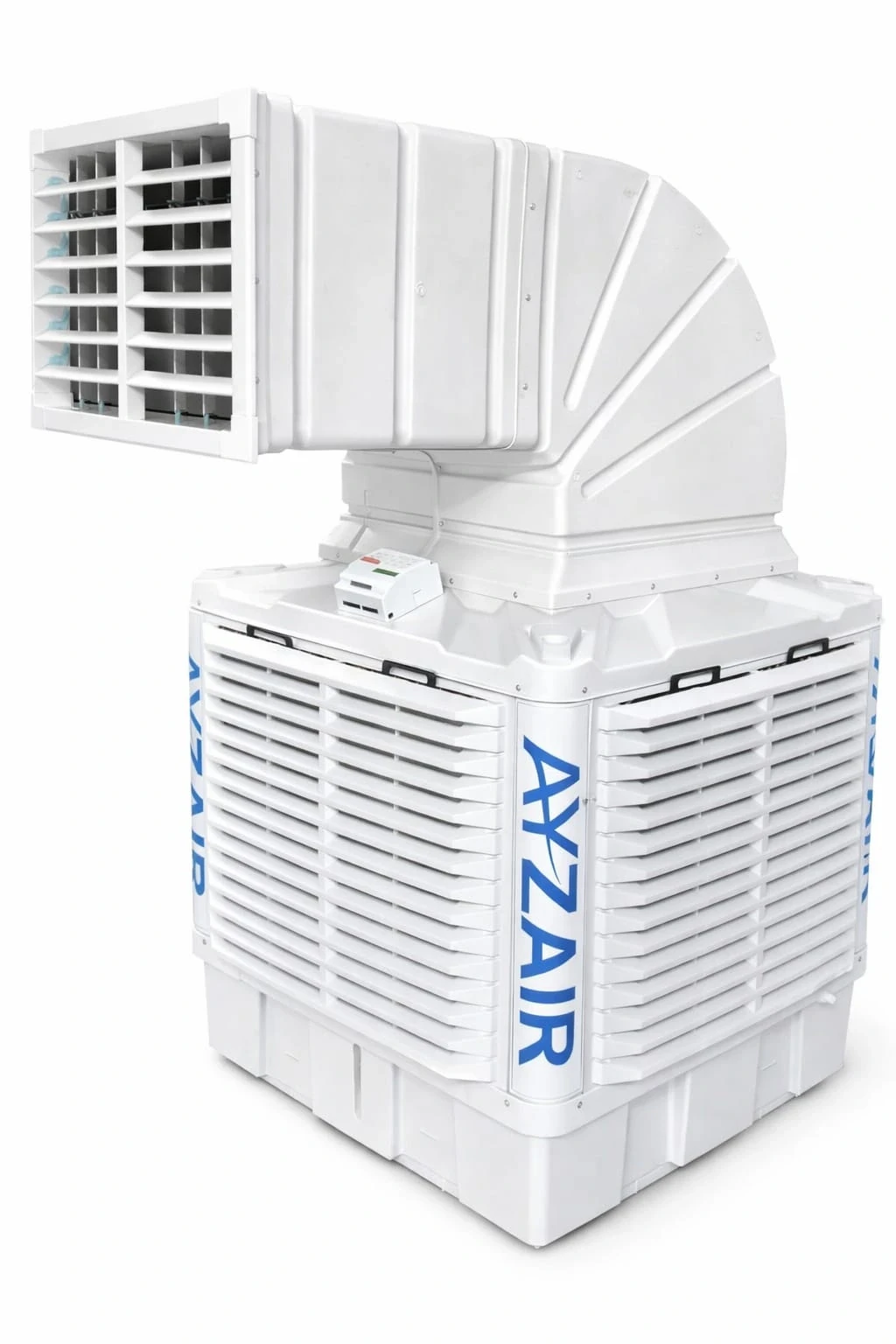
Every product we make is available in Cambodia — thirty-four models across six families. They are ordered here by how well each one suits the local climate and the industries that dominate this market, but nothing is off the list.
Industries
Who buys from us in Cambodia.
Logistics & compliance
Shipping to Cambodia.
| Destination ports | Sihanoukville Autonomous Port · Phnom Penh Autonomous Port (river) |
| Sea transit | 14–20 days from Chennai / Nhava Sheva, often transhipped at Singapore or Port Klang |
| Incoterms | EXW · FOB · CIF · CFR |
| Container loading | 20 ft: up to 60 hammer exhaust fans (600 mm) or 6 HVLS fans (24 ft) · 40 ft HQ: up to 14 HVLS fans |
| Production lead time | 10–20 working days |
- 400 V three-phase and 230 V single-phase at 50 Hz match Cambodian supply with no conversion.
- Sihanoukville takes mainline container vessels; Phnom Penh is a river port with a draft limit, which suits smaller consignments barged up from the coast. Tell us which you want on the bill of lading before we book.
- Brand compliance audits on Cambodian garment floors increasingly look at heat stress and air quality. We can supply airflow and air-change calculations for the fan schedule we quote, which gives your audit team something measurable to show.
- Clear height decides the HVLS question. A newer SEZ hall at 8–9 m takes 20 ft or 24 ft fans well; an older single-storey sewing shed at 4–5 m does not, and there wall exhaust plus mobile fans is the honest specification.
Cambodia enquiry
Get a proforma invoice for Cambodia.
Tell us the models and quantities, or just describe the building and let us size it. You will receive USD pricing, your Incoterm, a container loading plan and a confirmed lead time — within one working day.
Export desk
Answers
Supplying Cambodia — common questions
Cannot find what you need? Call +91 80871 10156 or WhatsApp us — an engineer, not a call centre, picks up.
Ask on WhatsAppHow many exhaust fans does a garment production hall need?
It depends on the heat load rather than the floor area alone, but as a starting point a sewing hall usually needs 25–40 air changes per hour in the hot season. For a 3,000 m² hall at 4.5 m height that is roughly 400,000 m³/h, which a bank of eight to ten 1000 mm hammer exhaust fans will deliver with intake louvres on the opposite wall. Send us the hall dimensions, the machine count and the window and louvre positions and we will produce the schedule.
Would evaporative coolers help on the sewing floor?
No. Cambodia is too humid for them to drop the temperature usefully, and on a floor handling fabric, pressing and finishing the extra moisture is actively unwelcome. Spend the money on extraction capacity and intake area instead — that is what changes how the floor feels in April.
Nearby markets
Also in South & Southeast Asia
Next step
Shipping to Cambodia?
Send your requirement and we will confirm the freight route, transit time, landed cost and whether our products genuinely suit your climate — before you commit.