Africa
Selective — see noteIndustrial cooling & ventilation for DR Congo
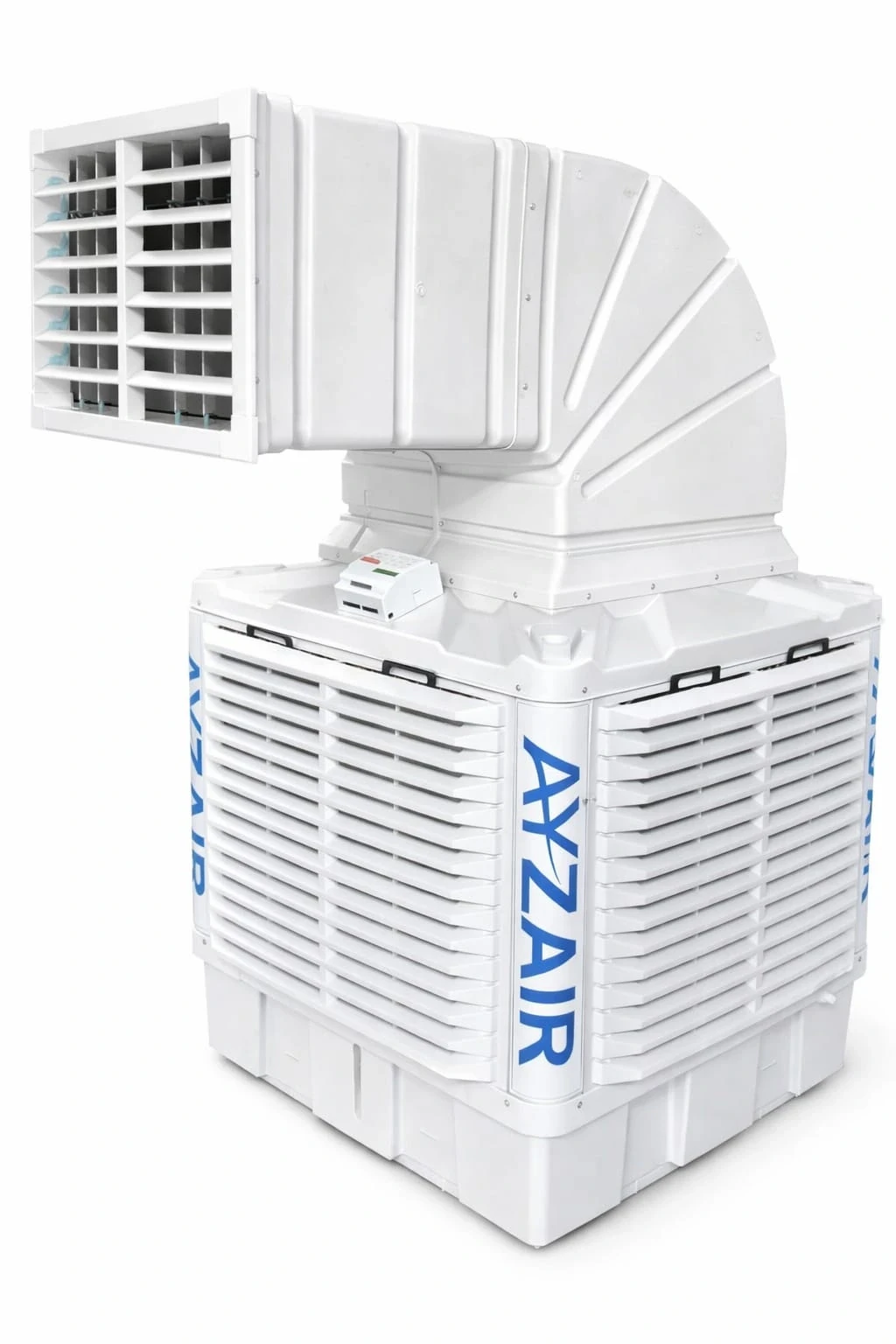
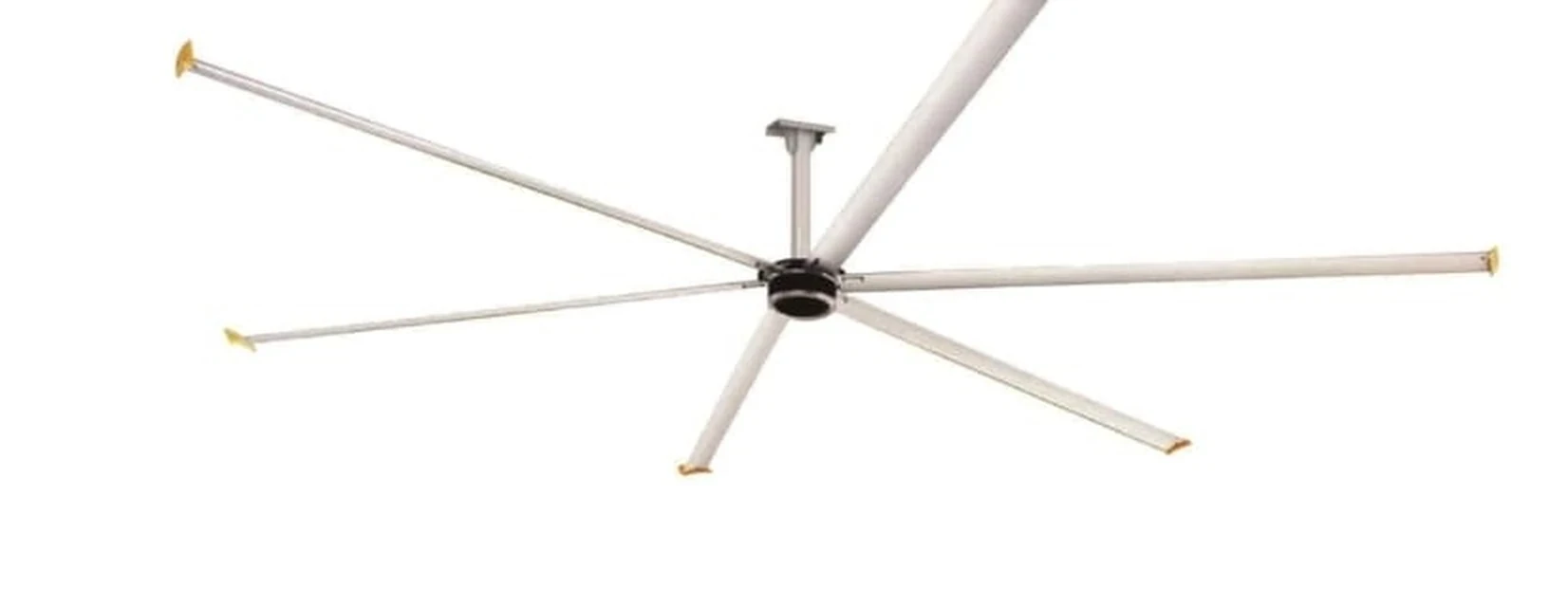
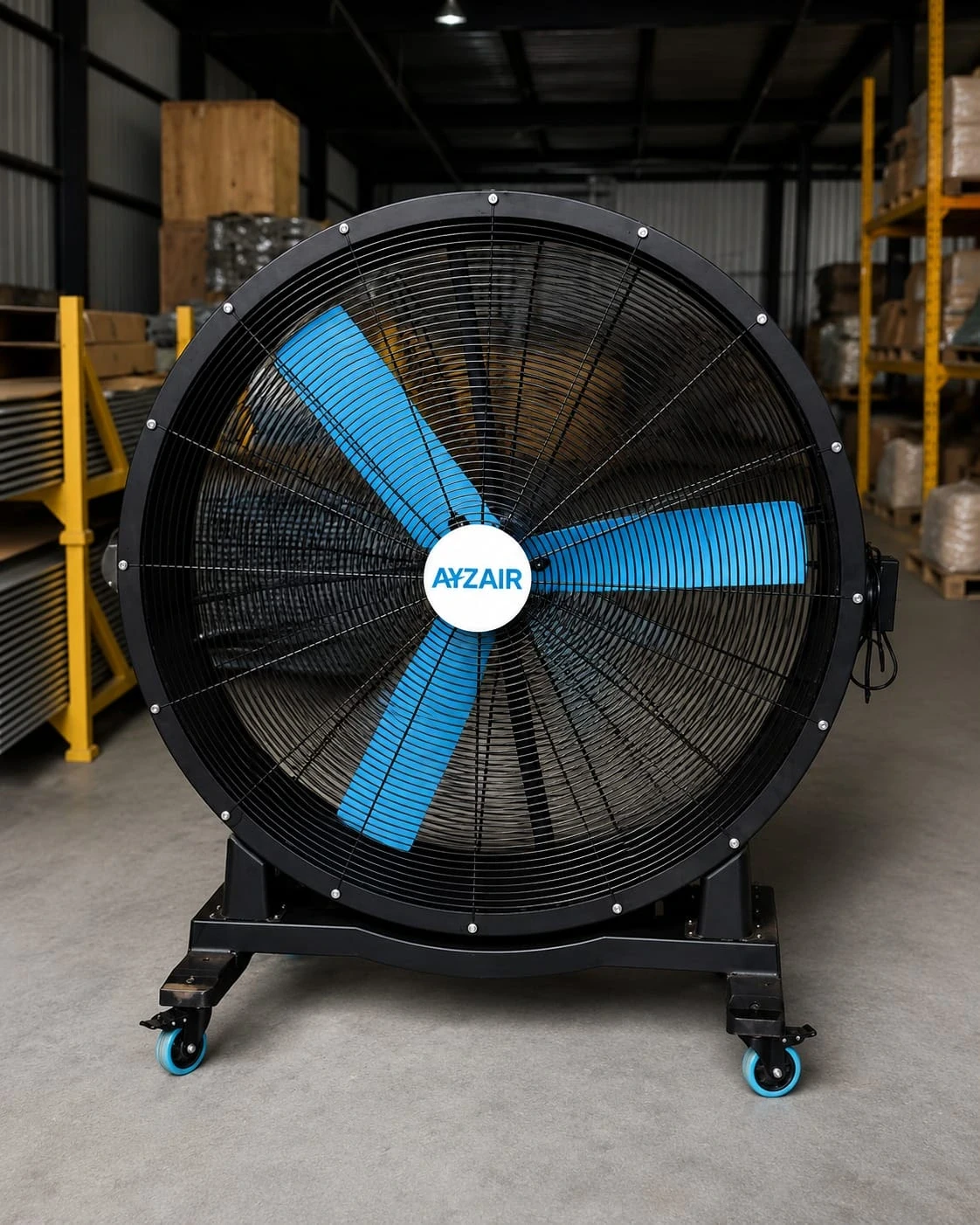
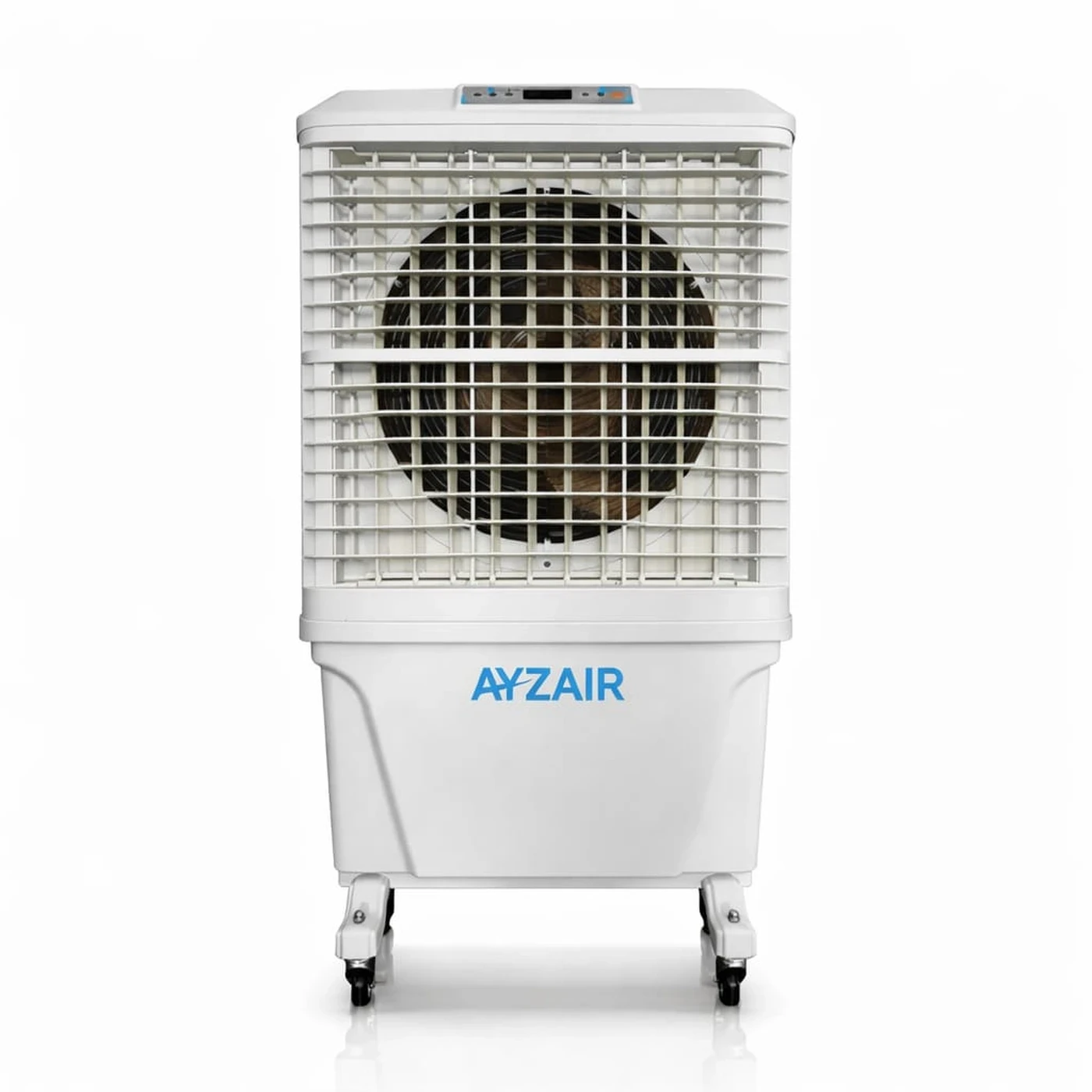
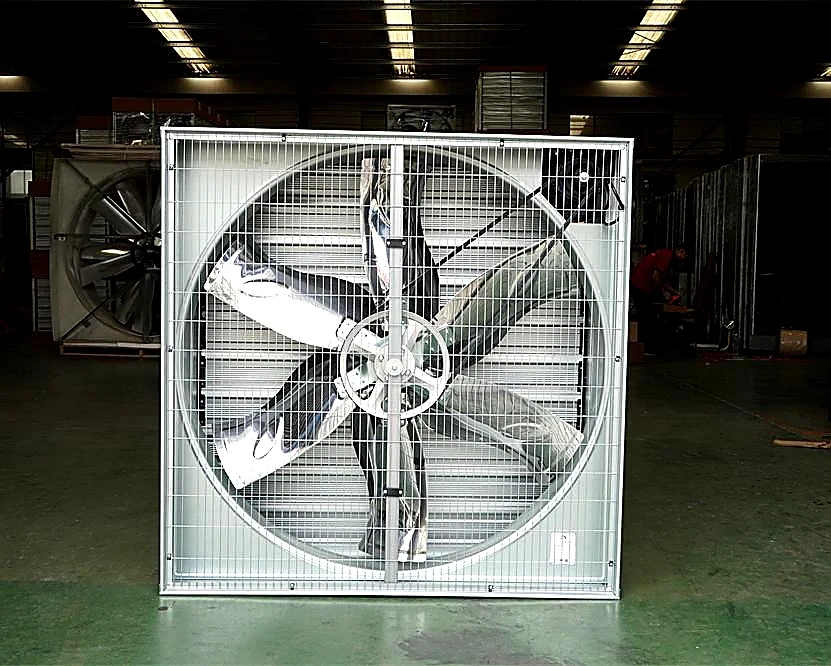
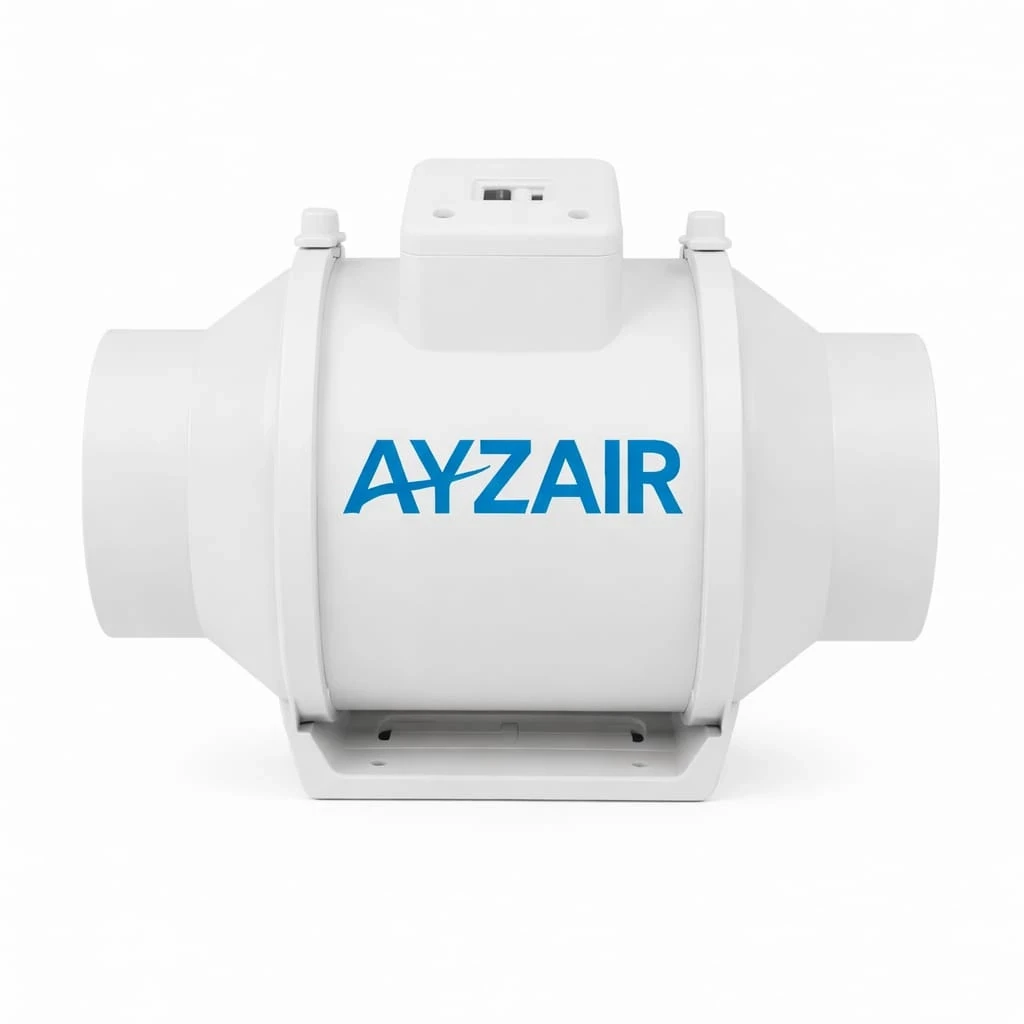
Two very different markets share one country. In the west there is Matadi port, the Kinshasa industrial zones at Limete and Maluku, and the brewing, cement and packaging plants that serve them. In the south-east there is the copper and cobalt belt — Lubumbashi, Likasi, Kolwezi, Tenke Fungurume and Kamoa — with its workshops, tyre bays, warehouses and camps. Ayzair supplies hammer wall exhaust fans and HVLS fans across both, and ducted evaporative coolers for Katanga dry-season duty.
Climate suitability — the honest version
Kinshasa and Matadi 30–33 °C with 75–85% humidity; the Katanga plateau at Lubumbashi sits at 1,200 m and drops to 20–30% humidity in the August–October dry season
For most of the country evaporative cooling is the wrong product and we lead with ventilation. Kinshasa, Matadi and the Congo basin sit at 75–85% relative humidity year round, which leaves a cooler nothing to evaporate into — there the specification is heavy wall extraction and HVLS air movement. Katanga is the real exception and worth stating: Lubumbashi, Likasi and Kolwezi sit on a 1,200–1,400 m plateau, and from August to October the air is hot and genuinely dry, so a ducted cooler in a mine workshop or fitting bay performs well through that season.
Matadi for Kinshasa; Durban, Dar es Salaam, Beira or Lobito then road for Lubumbashi and Kolwezi
Primary destination port
28–40 days to Matadi via transhipment; 16–22 days to Durban plus 8–14 days overland to Katanga · 30–45 days door to door
Sea transit from India
10–20days
Production lead time
5terms
EXW · FOB · CIF · CFR · DAP Lubumbashi on request
The complete range
All six Ayzair families, supplied to DR Congo.
Every product we make is available in DR Congo — thirty-four models across six families. They are ordered here by how well each one suits the local climate and the industries that dominate this market, but nothing is off the list.
Industries
Who buys from us in DR Congo.
Logistics & compliance
Shipping to DR Congo.
| Destination ports | Matadi for Kinshasa; Durban, Dar es Salaam, Beira or Lobito then road for Lubumbashi and Kolwezi |
| Sea transit | 28–40 days to Matadi via transhipment; 16–22 days to Durban plus 8–14 days overland to Katanga · 30–45 days door to door |
| Incoterms | EXW · FOB · CIF · CFR · DAP Lubumbashi on request |
| Container loading | 40 ft HQ: up to 24 large exhaust fans, 10–12 HVLS units, or a mixed workshop load |
| Production lead time | 10–20 working days |
- 220 V single-phase and 380 V three-phase at 50 Hz match Congolese supply.
- Congolese imports normally involve pre-shipment inspection by the national inspection body and an import data certificate arranged through the shipping documentation. We hold no Congolese approval and do not claim one — we provide the invoice detail, technical file and test reports your forwarder and inspection agency need, and your clearing agent confirms the current requirement.
- Katanga is reached overland, not through Matadi. Durban through Zambia, Dar es Salaam on the TAZARA corridor, Beira, or Lobito on the Benguela corridor all work; the road leg is 8–14 days and is the biggest variable in the schedule. Compare delivered Lubumbashi prices rather than CIF port.
- Mine-site dust is heavy and continuous. Pads on workshop coolers act as a coarse filter and need a planned seasonal change, and fan guards and bearings should be specified for the dust condition at enquiry.
DR Congo enquiry
Get a proforma invoice for DR Congo.
Tell us the models and quantities, or just describe the building and let us size it. You will receive USD pricing, your Incoterm, a container loading plan and a confirmed lead time — within one working day.
Export desk
Answers
Supplying DR Congo — common questions
Cannot find what you need? Call +91 80871 10156 or WhatsApp us — an engineer, not a call centre, picks up.
Ask on WhatsAppDo evaporative coolers work in Kinshasa?
No. Kinshasa sits in the Congo basin at 75–85% relative humidity throughout the year, and evaporative cooling needs dry air to do anything. A cooler there would consume water, give you a degree or two at best and raise the humidity of a building that is already uncomfortable with it. Wall exhaust fans to clear heat from the roof space and HVLS fans over the floor are what we would quote.
And in Lubumbashi or Kolwezi?
There the answer changes. The Katanga plateau is 1,200 m up, and from August to October afternoon humidity falls to 20–30% with temperatures in the low thirties. A ducted cooler in a fitting bay or workshop gives a large drop on 1.5–3 kW through those months. Outside that window it is better run as a fresh-air ventilation unit, and we tell customers that at the outset.
How do we get equipment to a Katanga mine site?
Overland, and you should plan for it properly. The practical options are Durban through Zambia, Dar es Salaam, Beira or Lobito, with 8–14 days of road beyond the port plus borders. The realistic door-to-door figure is 30–45 days. We crate for that journey, ship a spares kit with the order, and would rather quote you delivered Lubumbashi than have the haulage and border costs land separately.
Nearby markets
Also in Africa
Next step
Shipping to DR Congo?
Send your requirement and we will confirm the freight route, transit time, landed cost and whether our products genuinely suit your climate — before you commit.