
East Asia
Selective — see noteIndustrial cooling & ventilation for Japan
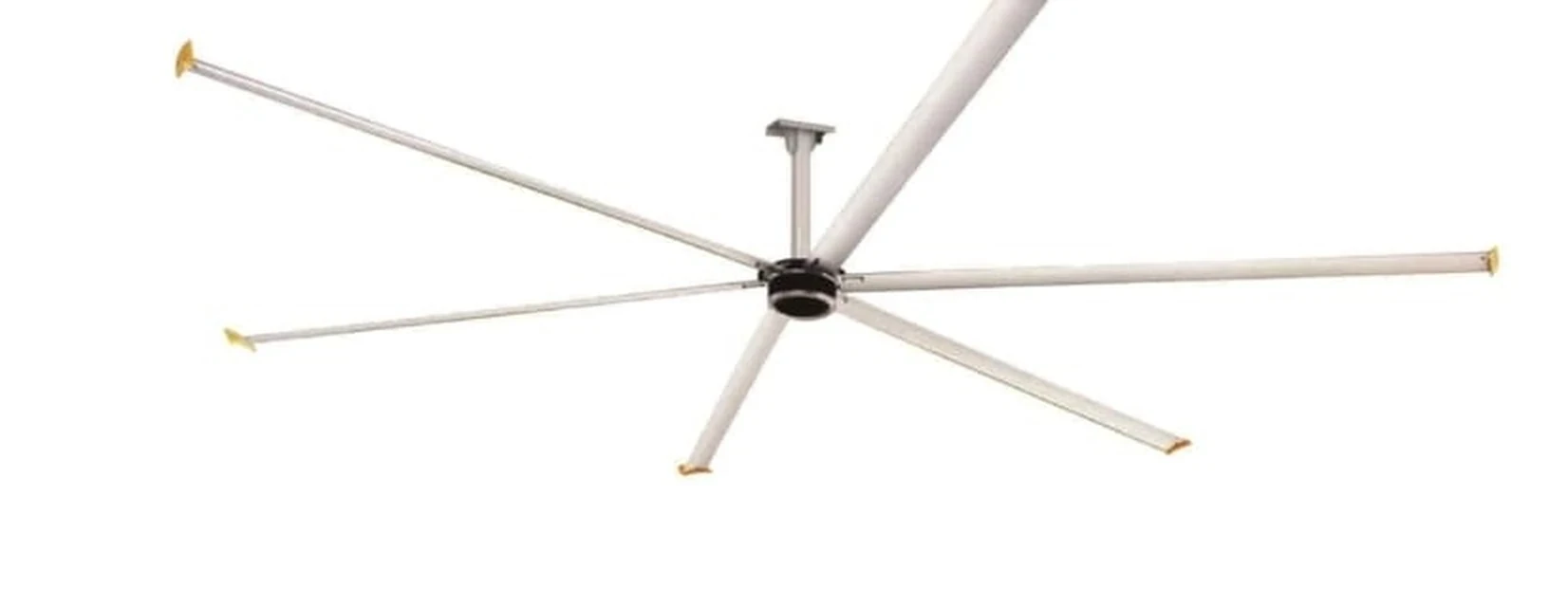
Japan’s distribution buildings — the logistics parks around Tokyo Bay and Ichikawa, the Chubu plants at Nagoya and Toyota, the Hanshin belt between Osaka and Kobe — are tall, wide and expensive to air-condition end to end. HVLS fans at 8 ft to 24 ft move air across that floor area on about 0.8–1.5 kW each, and in winter push roof-level warm air back down. We ship into Yokohama, Kobe and Nagoya.
Climate suitability — the honest version
Humid summers at 33–36 °C with 70–80% afternoon humidity; cold winters in Tohoku and Hokkaido
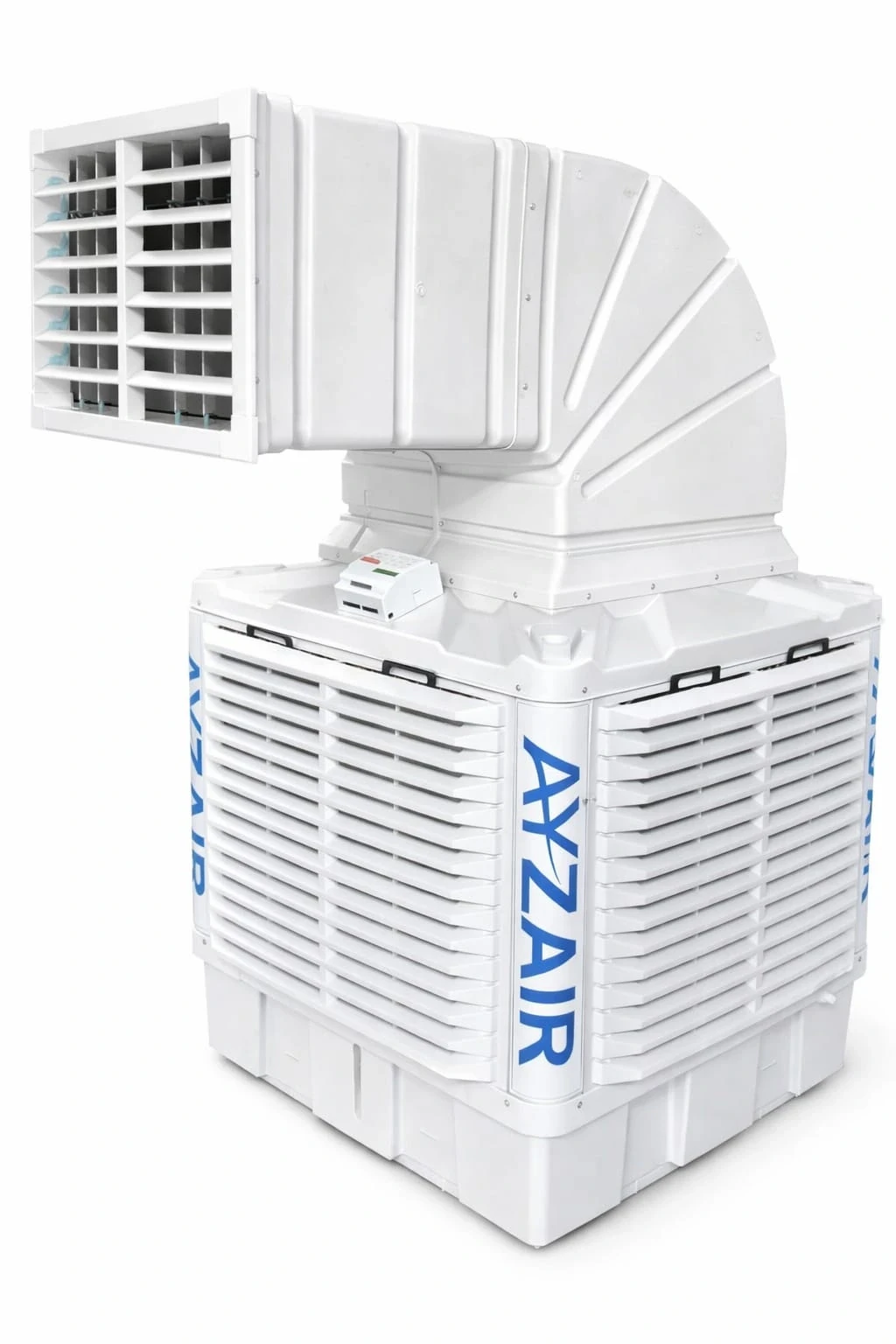
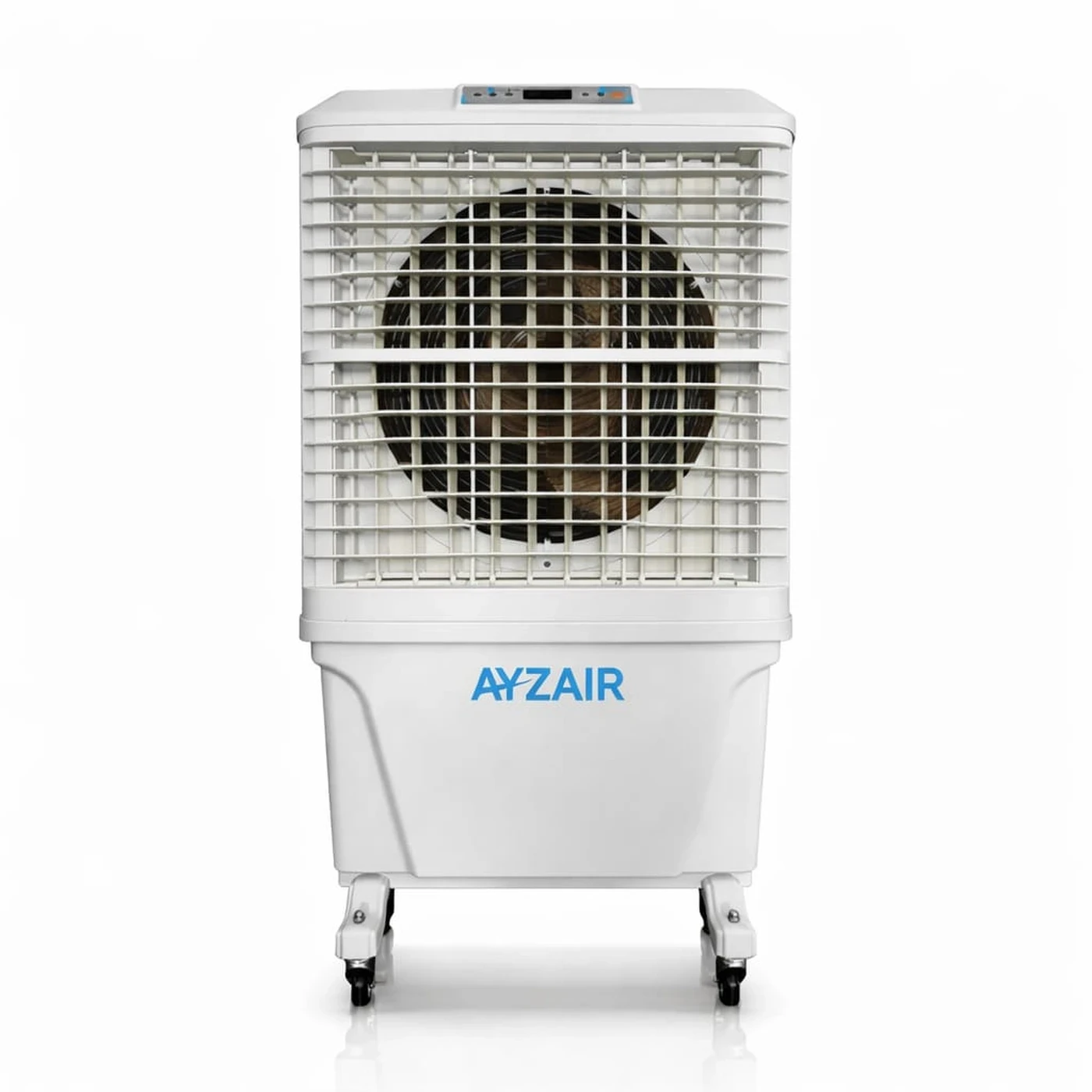
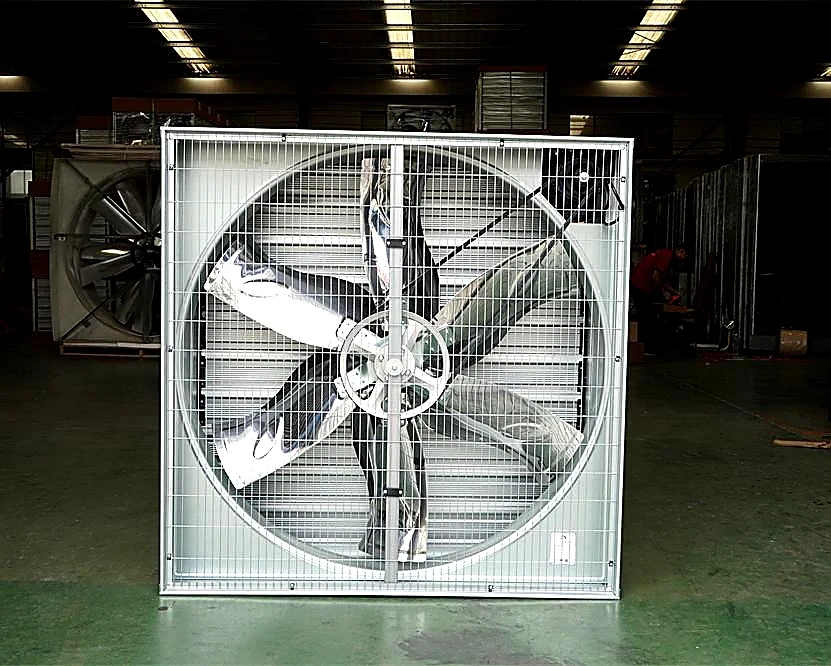
Japan is not an evaporative cooling market. The summer is hot and wet — humidity through July and August runs well above 60% almost everywhere, including Hokkaido — and adding moisture to that air makes conditions worse, not better. The real case in Japan is air movement in tall distribution warehouses and roof-level heat extraction, so we lead with HVLS and hammer exhaust fans and leave the coolers out of the quote.
Yokohama
Primary destination port
18–24 days
Sea transit from India
10–20days
Production lead time
4terms
EXW · FOB · CIF · CFR
The complete range
All six Ayzair families, supplied to Japan.
Every product we make is available in Japan — thirty-four models across six families. They are ordered here by how well each one suits the local climate and the industries that dominate this market, but nothing is off the list.
Industries
Who buys from us in Japan.
Logistics & compliance
Shipping to Japan.
| Destination ports | Yokohama · Kobe · Nagoya |
| Sea transit | 18–24 days from Nhava Sheva / Chennai |
| Incoterms | EXW · FOB · CIF · CFR |
| Container loading | 40 ft HQ: up to 24 HVLS fans crated · 20 ft: up to 40 hammer exhaust fans |
| Production lead time | 10–20 working days |
- Japan is split on supply frequency and it matters more than anything else on this page. Eastern Japan — Tokyo, Kanto, Tohoku, Hokkaido — runs at 50 Hz. Western Japan — Nagoya, Osaka, Hiroshima, Kyushu, Shikoku — runs at 60 Hz. A 50 Hz motor fed 60 Hz turns roughly 20% faster, draws more current, runs louder and loads bearings beyond their rating. Give us the installation city with the enquiry and we wind the motor for that side of the country; for a site near the divide, confirm the frequency on site before we build.
- Industrial supply is usually 200 V three-phase, not the 380–415 V our standard motors are wound for. Motors are built to order for 200 V — this is routine, but it is not a stock item we can pull off a shelf.
- Japan has strong domestic makers of large ceiling fans and wall exhaust fans, and we are not cheaper than they are. Where we are useful is a size or airflow point that is awkward to buy locally, replacement units for an existing Indian-built installation, and buyers who want a supply source outside their usual channel.
- PSE and local electrical documentation are usually asked for. We do not hold Japanese approvals and will not say we do. We provide motor test certificates, wiring data and the full technical file for your side or your importer to work with.
Japan enquiry
Get a proforma invoice for Japan.
Tell us the models and quantities, or just describe the building and let us size it. You will receive USD pricing, your Incoterm, a container loading plan and a confirmed lead time — within one working day.
Export desk
Answers
Supplying Japan — common questions
Cannot find what you need? Call +91 80871 10156 or WhatsApp us — an engineer, not a call centre, picks up.
Ask on WhatsAppWe are in Osaka. Can you send the same fan you ship to Tokyo?
No. Osaka is on 60 Hz and Tokyo is on 50 Hz. A fan wound for Tokyo will run about 20% fast in Osaka, drawing more current, making more noise and working the bearings harder than they are rated for. Tell us the city and we wind it correctly — the price is the same either way.
Would evaporative coolers help our plant in summer?
Not in Japan. Evaporative cooling only produces a useful temperature drop when the air is dry, and Japanese summer air is not. You would be adding humidity to a space that already has too much. HVLS fans and roof-level extraction are the honest answer here.
Our warehouse has 6 m to the underside of the roof. Can we fit HVLS?
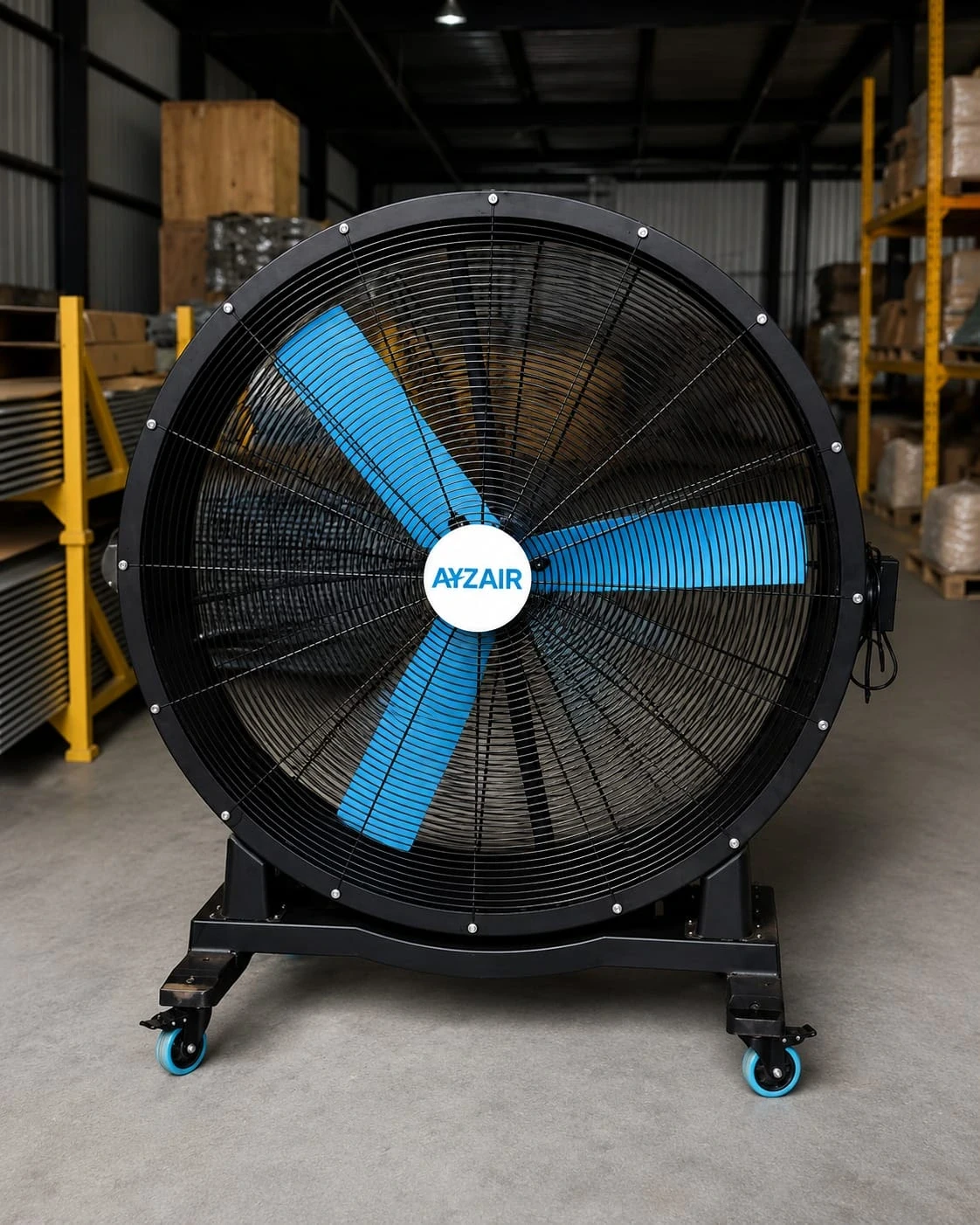
We would not recommend it. HVLS fans need 7 m of clear height under the blade to spread air across the floor instead of blasting it at the people below. Under that we would look at wall-mounted hammer exhaust fans and the Model 1500 mobile fan for spot cooling.
Nearby markets
Also in East Asia
Next step
Shipping to Japan?
Send your requirement and we will confirm the freight route, transit time, landed cost and whether our products genuinely suit your climate — before you commit.