
Americas
Selective — see noteIndustrial cooling & ventilation for Bolivia
Santa Cruz de la Sierra and the Warnes and Montero industrial corridor run soy crushing, oilseed and food plants in hot, wet lowland air. The Altiplano is a different building altogether — the El Alto workshops and textile plants and the mining and concentrator works at Oruro, Potosi and Huanuni are cold, high and dry, where moving the roof heat back down matters more than cooling. Ayzair ships from Pune through Arica or Iquique and then overland into both.
Climate suitability — the honest version
Santa Cruz at 32–35 °C with 65–80% afternoon humidity; the Altiplano at 3,600–4,100 m runs 15–20 °C days, near-freezing nights and under 30% humidity
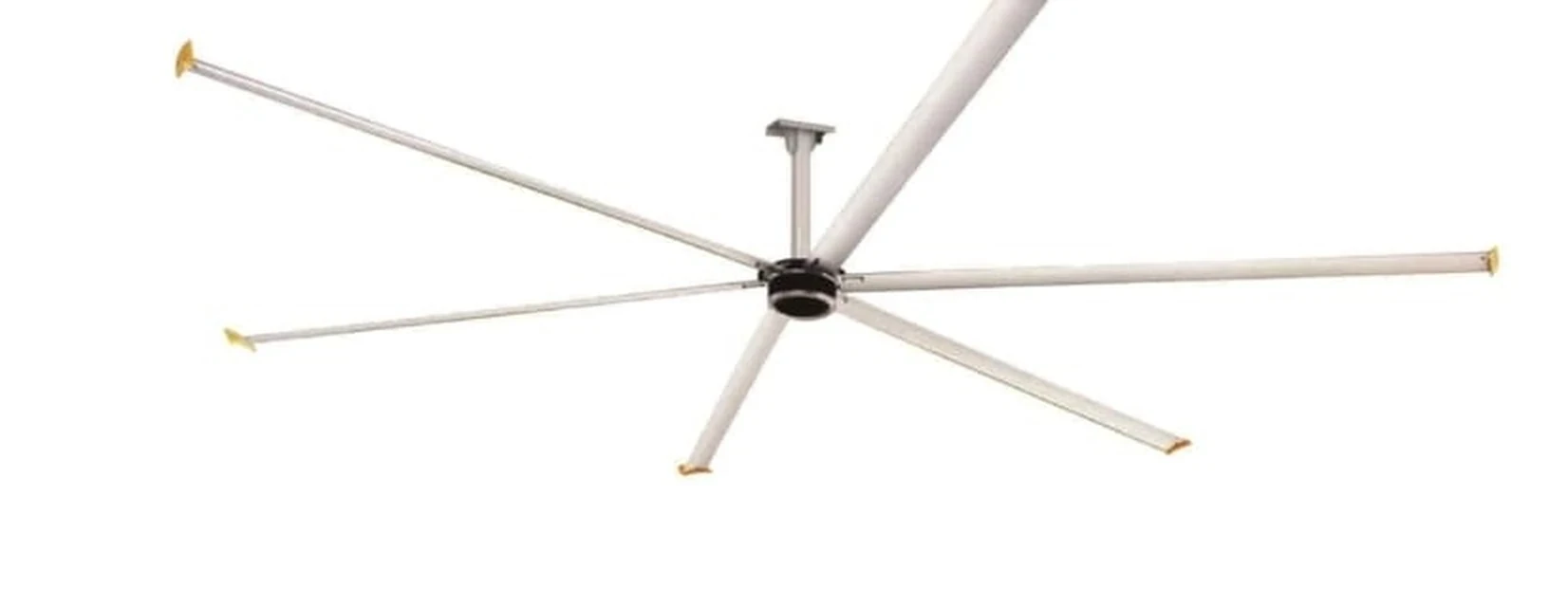
Bolivia is two countries as far as this equipment is concerned. The Altiplano — La Paz, El Alto, Oruro, Potosi — is high, cold and genuinely dry, but it barely needs cooling: the problem in a tall workshop or warehouse up there is the opposite one, warm air collecting at the roof while the floor stays cold. That is a destratification job, and HVLS fans running slowly in winter push that roof-level heat back down and cut heating cost. Santa Cruz and the eastern lowlands are the mirror image: hot, and humid enough through the wet season that evaporative cooling is the wrong product and air movement plus extraction is the right one. Neither half of Bolivia is a straightforward evaporative market, which is why we have put it down as selective rather than talking it up.
Arica or Iquique (Chile), then overland — Bolivia is landlocked
Primary destination port
30–45 days door to door: 28–38 days by sea to Arica or Iquique, then road or rail to La Paz or Santa Cruz
Sea transit from India
10–20days
Production lead time
4terms
EXW · FOB · CIF Arica · CIF Iquique
The complete range
All six Ayzair families, supplied to Bolivia.
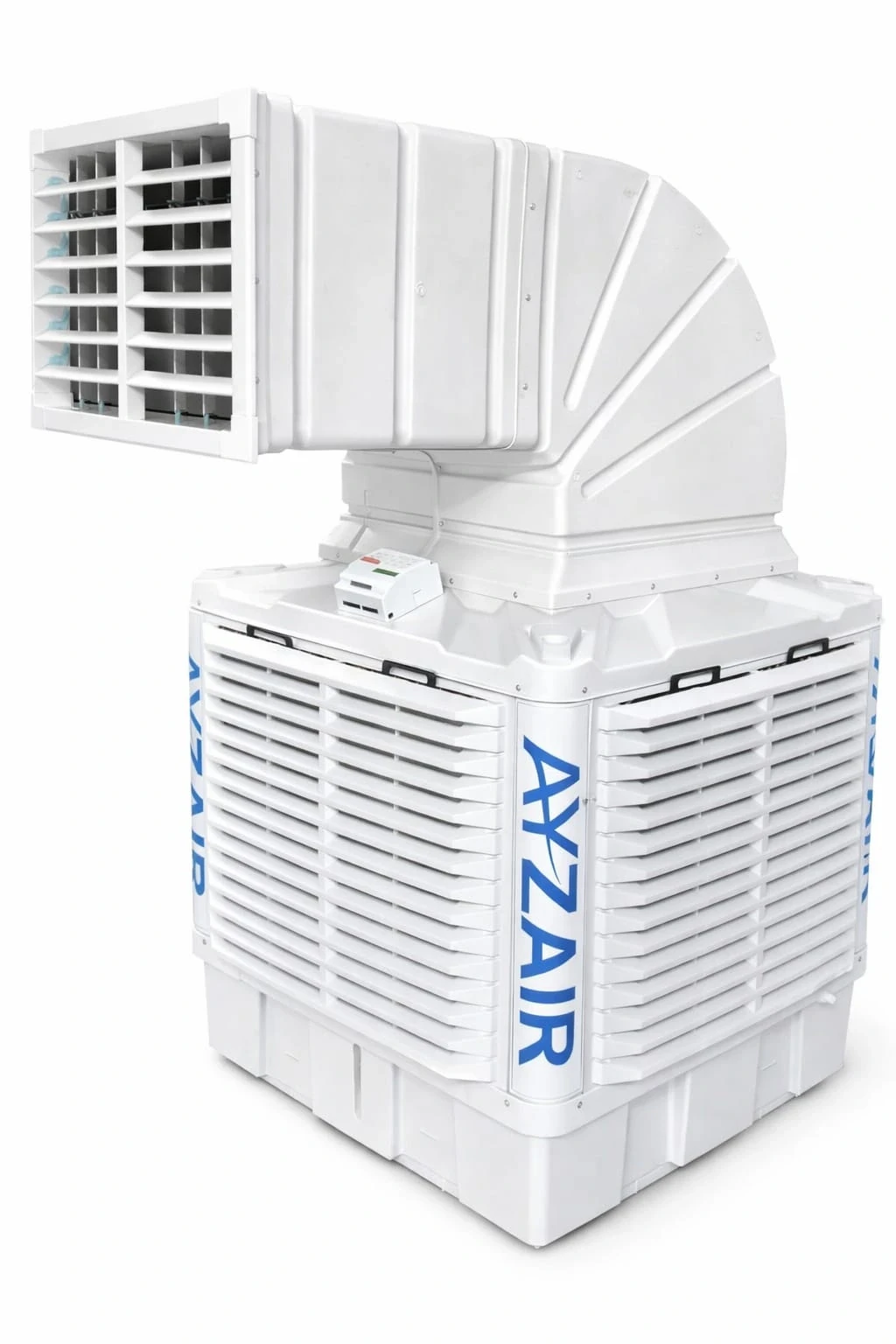
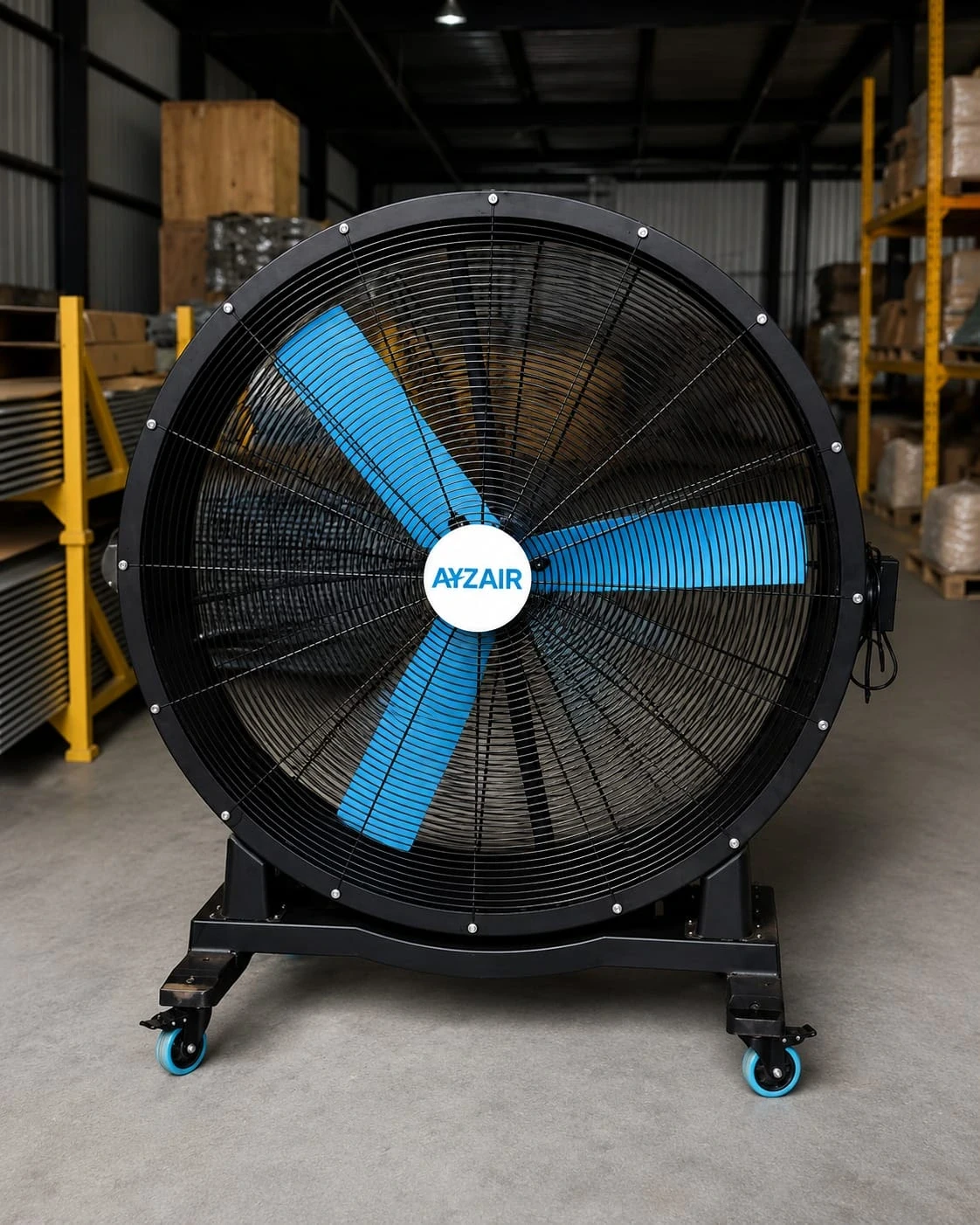
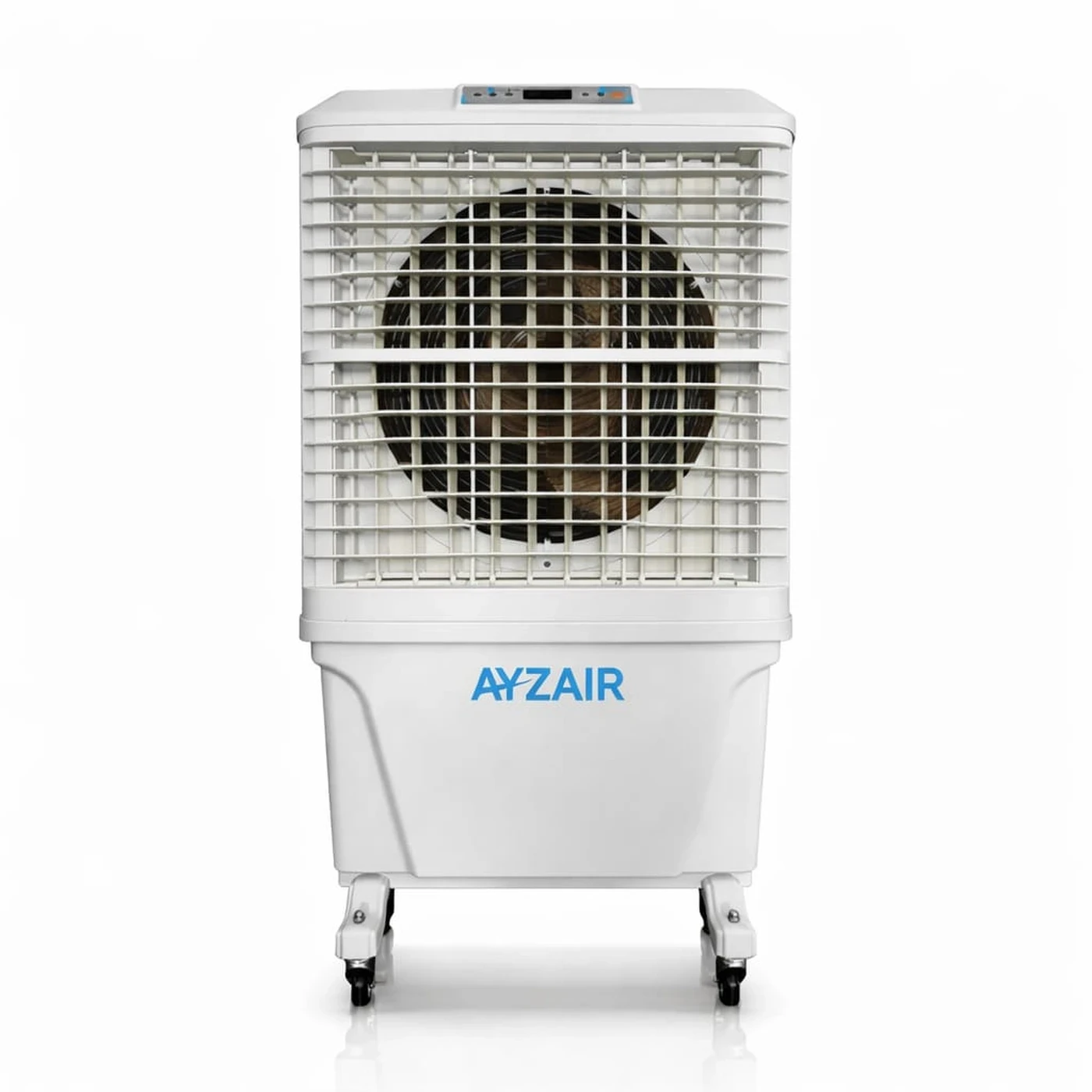
Every product we make is available in Bolivia — thirty-four models across six families. They are ordered here by how well each one suits the local climate and the industries that dominate this market, but nothing is off the list.
Industries
Who buys from us in Bolivia.
Logistics & compliance
Shipping to Bolivia.
| Destination ports | Arica or Iquique (Chile), then overland — Bolivia is landlocked |
| Sea transit | 30–45 days door to door: 28–38 days by sea to Arica or Iquique, then road or rail to La Paz or Santa Cruz |
| Incoterms | EXW · FOB · CIF Arica · CIF Iquique |
| Container loading | 40 ft HQ: up to 24 crated HVLS fans · 20 ft preferred for the overland leg on mountain routes |
| Production lead time | 10–20 working days |
- 230 V single-phase and 400 V three-phase at 50 Hz is the usual Bolivian supply, which suits our standard build, but 115 V is still found in parts of La Paz. Confirm the voltage on site and send us a nameplate photograph from an existing machine if there is one.
- Altitude changes the engineering, and this is the note most suppliers leave out. At El Alto, around 4,100 m, air density is roughly two-thirds of sea level. A fan still moves its rated volume of air but shifts about a third less mass, so the cooling effect per m³/h is lower, and the same thinner air cools the motor less well. We derate for altitude when you tell us the site elevation — give it to us with the enquiry rather than after commissioning.
- Everything arrives overland through Chile, so the landed cost carries sea freight, port handling at Arica or Iquique, the Bolivian transit procedure and a long road leg. Budget 30–45 days door to door and treat any quoted date as dependent on the border and the mountain route, not on the vessel alone.
- Dust is heavy on the Altiplano and around the concentrators. Pads on a duct cooler act as a coarse filter and are a seasonal consumable; on exhaust fans ask us about impeller finish and bearing protection for abrasive air.
Bolivia enquiry
Get a proforma invoice for Bolivia.
Tell us the models and quantities, or just describe the building and let us size it. You will receive USD pricing, your Incoterm, a container loading plan and a confirmed lead time — within one working day.
Export desk
Answers
Supplying Bolivia — common questions
Cannot find what you need? Call +91 80871 10156 or WhatsApp us — an engineer, not a call centre, picks up.
Ask on WhatsAppDoes evaporative cooling make sense on the Altiplano?
Rarely, even though the air is dry enough on paper. La Paz and El Alto days sit at 15–20 °C and nights go near freezing, so there is very little cooling demand to satisfy. The real opportunity in those tall heated halls is destratification: HVLS fans turning slowly push the warm air that has collected at the roof back down to the floor, which makes the space usable and cuts what you spend on heating.
What about our soy plant in Santa Cruz?
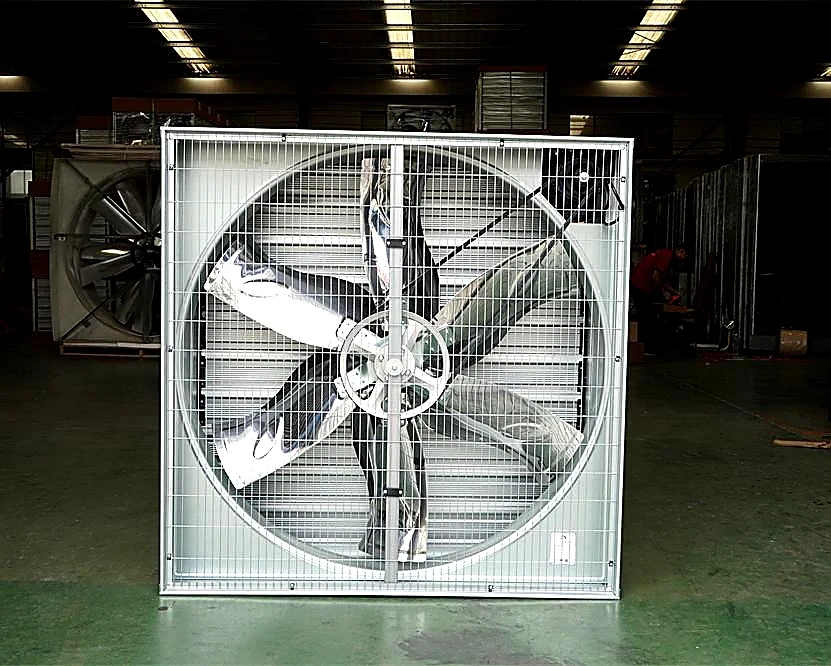
Santa Cruz is hot but wet — afternoon humidity through the wet season commonly sits between 65% and 80% — so evaporative coolers are not the right answer there. We quote HVLS fans for the main hall and hammer exhaust fans to clear process heat, dust and roof-level air. If there is a dry-season window where humidity drops well below 50%, a portable cooler for a specific workstation can be worth discussing, but we would not design the building around it.
How long does delivery really take to Bolivia?
Plan on 30 to 45 days from Nhava Sheva to the site. The sea leg to Arica or Iquique is typically 28 to 38 days, usually transhipped, and then there is port handling, the transit procedure and the road or rail leg up over the mountains or across to Santa Cruz. We quote CIF Arica or CIF Iquique and your forwarder prices the inland leg, because they will be closer to current border conditions than we are.
Next step
Shipping to Bolivia?
Send your requirement and we will confirm the freight route, transit time, landed cost and whether our products genuinely suit your climate — before you commit.