
United States
Industrial cooling and ventilation in Atlanta
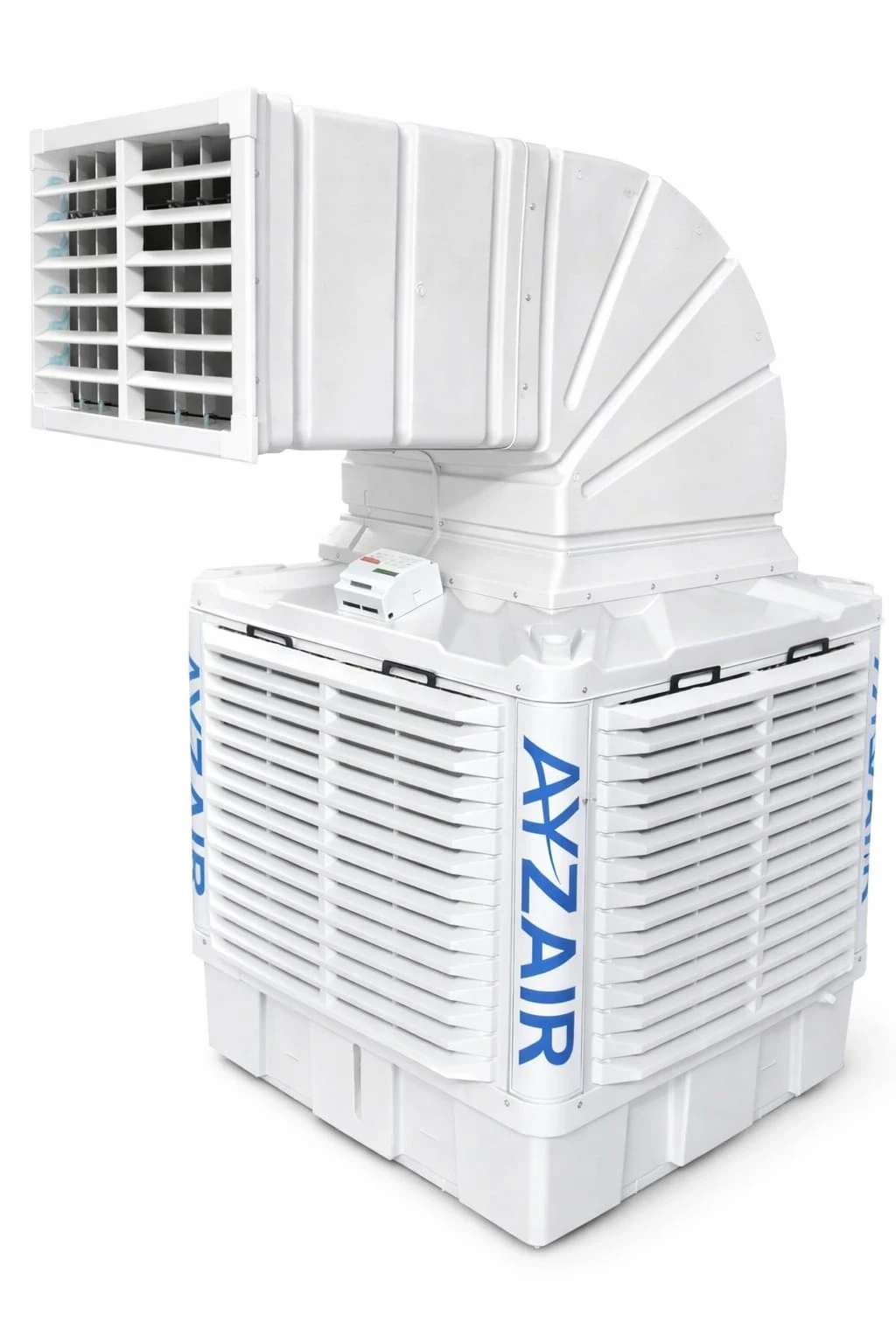
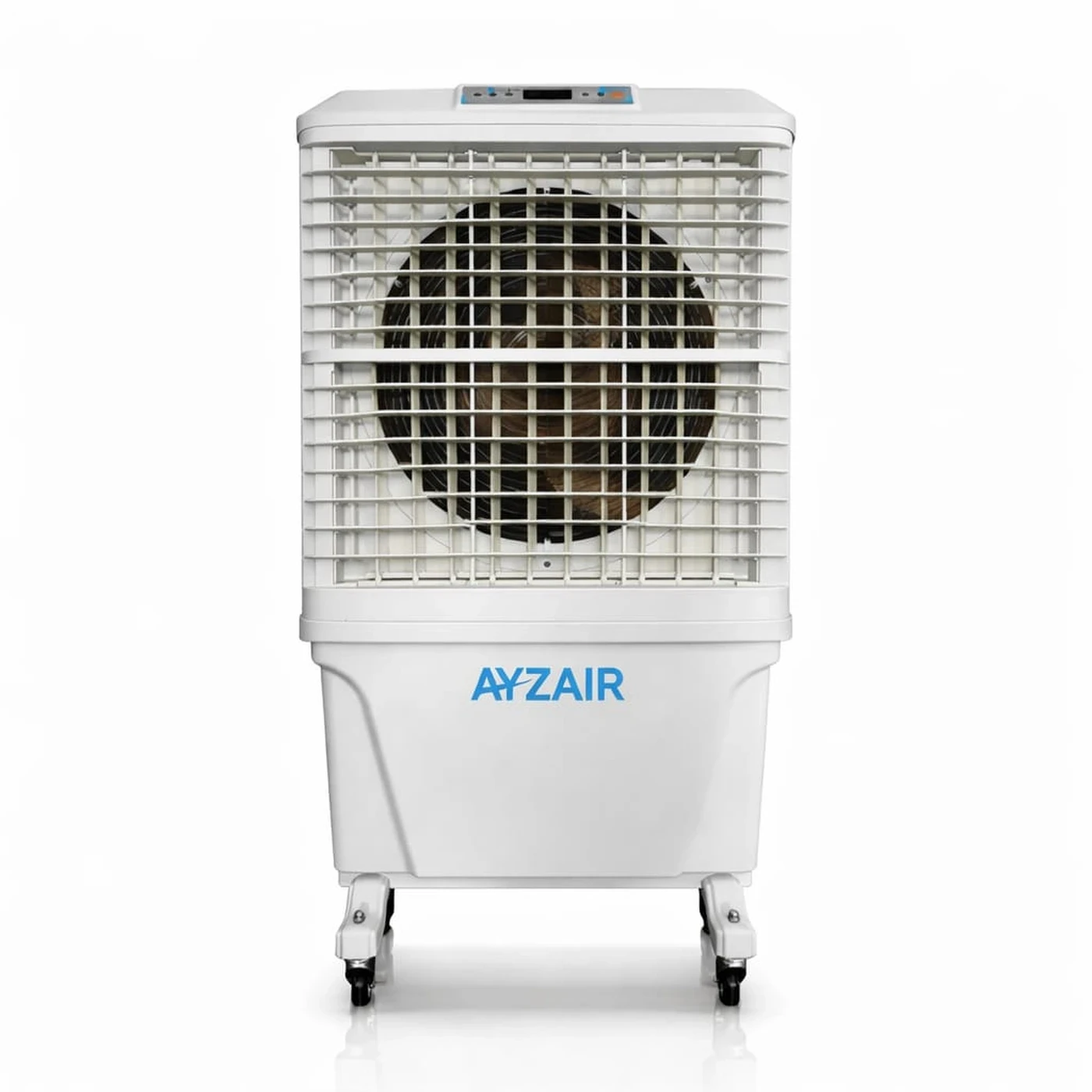
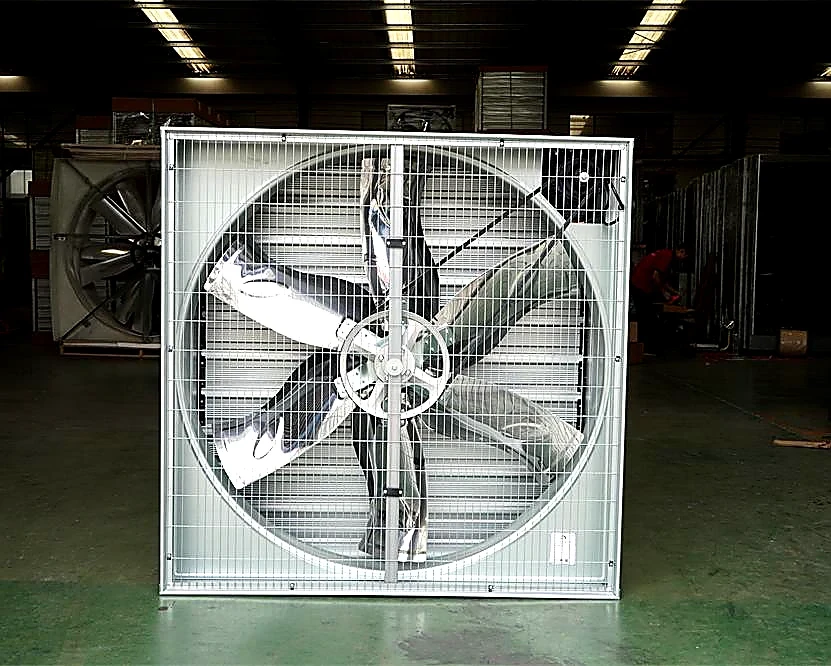
Georgia is where you have to be blunt about evaporative cooling. It is the wrong tool in this climate, and a pad cooler sold into a McDonough fulfilment centre would add moisture to air that is already carrying too much. What Atlanta does have is an enormous volume of tall, lightly insulated, fast built distribution space: South Fulton and the Camp Creek corridor, the Henry County parks around McDonough and Locust Grove, Austell and the western belt, and the string of buildings tracking the Savannah corridor down Interstate 16. Automotive parts suppliers, carpet and flooring plants feeding the Dalton cluster, air cargo handlers at Hartsfield and a deep poultry and further processing industry fill the rest. Poultry in particular is a straightforward technical fit, since tunnel ventilated houses run on exactly the large diameter exhaust fans we build.
Atlanta climate — the honest version
Atlanta summers hold 33–35 °C with humidity in the 60 to 80 percent band and nights warm enough that a building never resets overnight, so the wet bulb depression is far too small for evaporative cooling to earn its keep and the budget belongs in air movement and roof level extraction.
Savannah is the natural port of entry at 28 to 35 days from Nhava Sheva, then Atlanta is roughly 400 km and four hours by road, or a rail move to the Appalachian Regional Port and Atlanta ramps · Charleston works equally well for buyers in the north of the metro.
6families
Complete range supplied here
34models
Every model available to order
10–20days
Production lead time
24hrs
Sizing and quotation
The complete range
All six Ayzair families, supplied in Atlanta.
Every product we make is available in Atlanta. They are ordered by how well each one suits the local climate and the industries here, but nothing is off the list.
Where we supply
Industrial areas of Atlanta.
Who buys here
Industries in Atlanta.
- E-commerce fulfilment and parcel sortation
- Automotive parts and assembly supply
- Carpet and flooring manufacture
- Poultry and further processing
- Food and beverage packing
- Air cargo and freight handling
Worth knowing locally
- Georgia service is 208/230 V or 460/480 V three phase, 60 Hz throughout. A 50 Hz motor is our baseline build, so the Atlanta specification is fixed at order entry and units are wound for 60 Hz at your site voltage before they are crated.
- Buyers here expect UL or ETL listing and an NEC compliant installation. Ayzair has no standing UL listing to point at; where a project, an insurer or a general contractor requires it we arrange listing or a field evaluation for that order and quote the cost separately.
- Poultry integrators buy on a seasonal cycle and want fans on site before spring placement. Allowing 10 to 20 days production plus five weeks of sea and inland transit, orders confirmed by December land comfortably ahead of the first hot flock.
Atlanta enquiry
Get a proforma invoice for Atlanta.
Tell us the building — area, roof height and what happens inside — or name the models and quantities you already know you need. You will get USD pricing, your Incoterm, a container loading plan and a confirmed lead time within one working day.
Export desk
Answers
Supplying Atlanta — common questions
Cannot find what you need? Call +91 80871 10156 or WhatsApp us — an engineer, not a call centre, picks up.
Ask on WhatsAppWhy will you not recommend evaporative coolers in Atlanta?
Because the arithmetic does not support it. At 34 °C and 70 percent humidity the wet bulb sits only a few degrees below dry bulb, so a pad cooler returns perhaps 3 °C while raising moisture in a building that already struggles with condensation on cold product. HVLS fans and properly sized exhaust deliver more perceived relief for less running cost and no water.
What fans do Georgia poultry houses actually use?
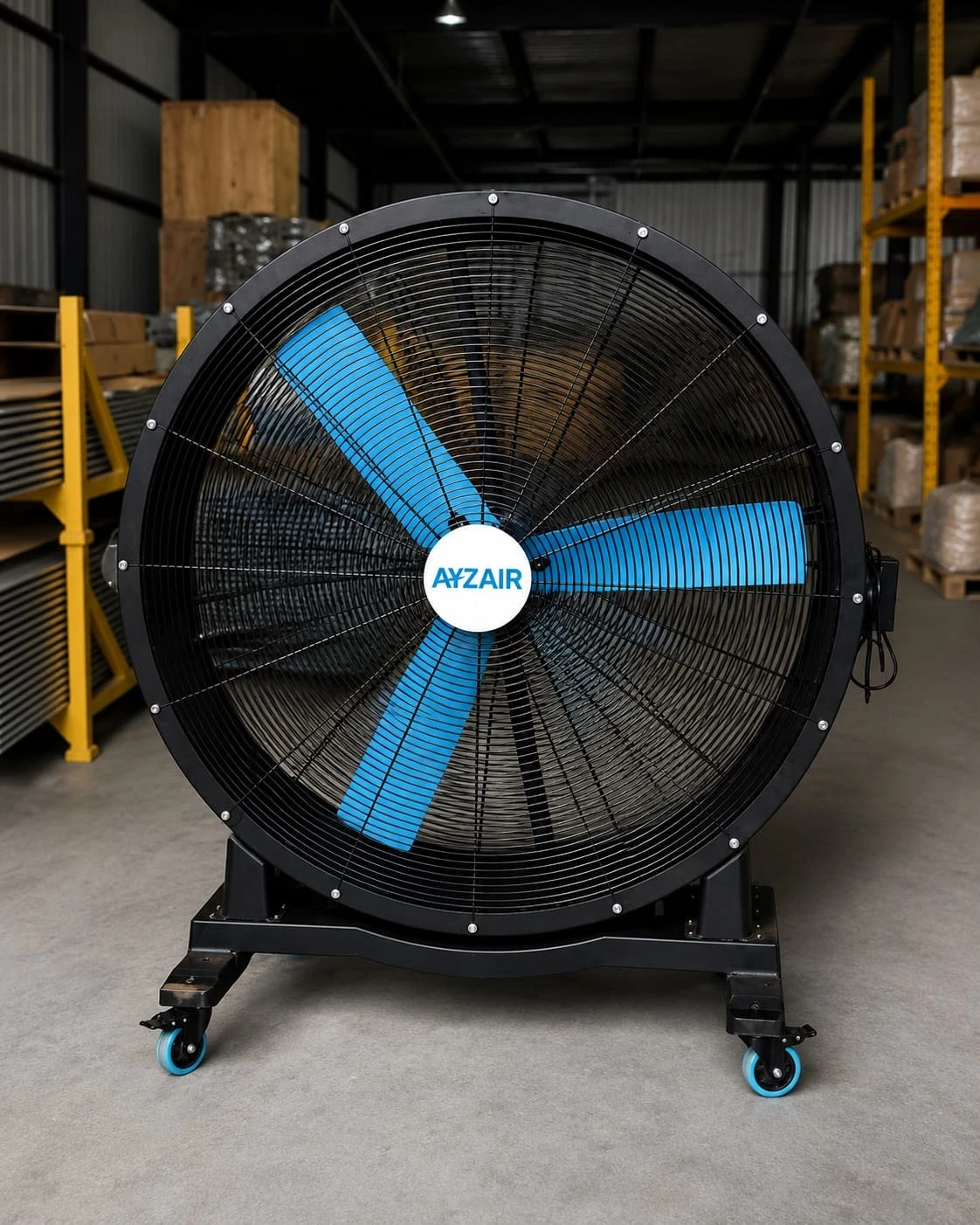
Tunnel ventilated broiler houses rely on banks of large diameter exhaust fans at one gable end pulling air across the length of the house, typically 1250 mm to 1400 mm units sized for a target air speed of two to three metres per second at bird level. Our Hammer range covers 200 mm to 1750 mm, including cone and shutter configurations for that duty.
Is a 24 ft fan too large for a 9 m clear height building?
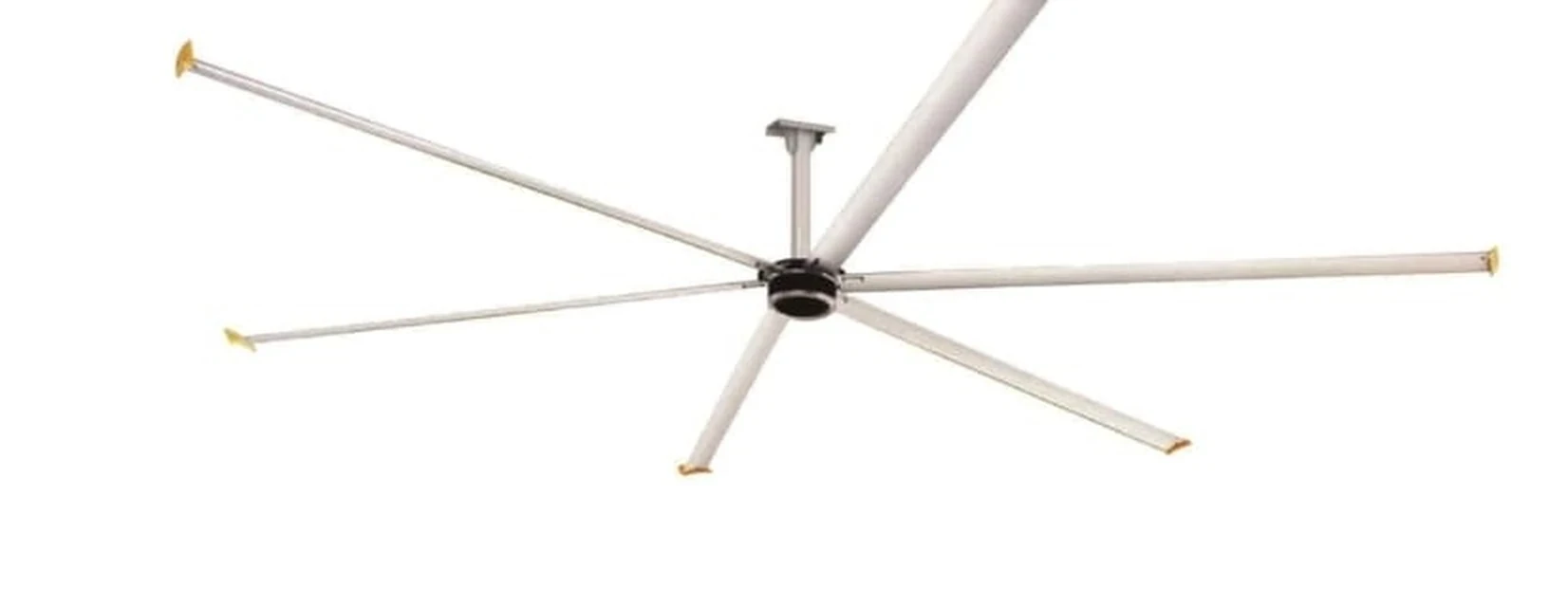
Not usually, though the mounting detail matters. At 9 m you have room for the recommended clearance above the blade and a long enough throw for the column to spread properly at floor level. Below about 6 m we would step down to a 16 or 18 ft fan and add units instead, otherwise floor level air speed becomes uneven across the bay.
Nearby
Also supplied across United States.
Next step
Shipping to Atlanta?
Send your requirement and we will confirm the freight route, transit time, landed cost and whether our equipment genuinely suits Atlanta conditions — before you commit to anything.