

Brazil
Industrial cooling and ventilation in São Paulo
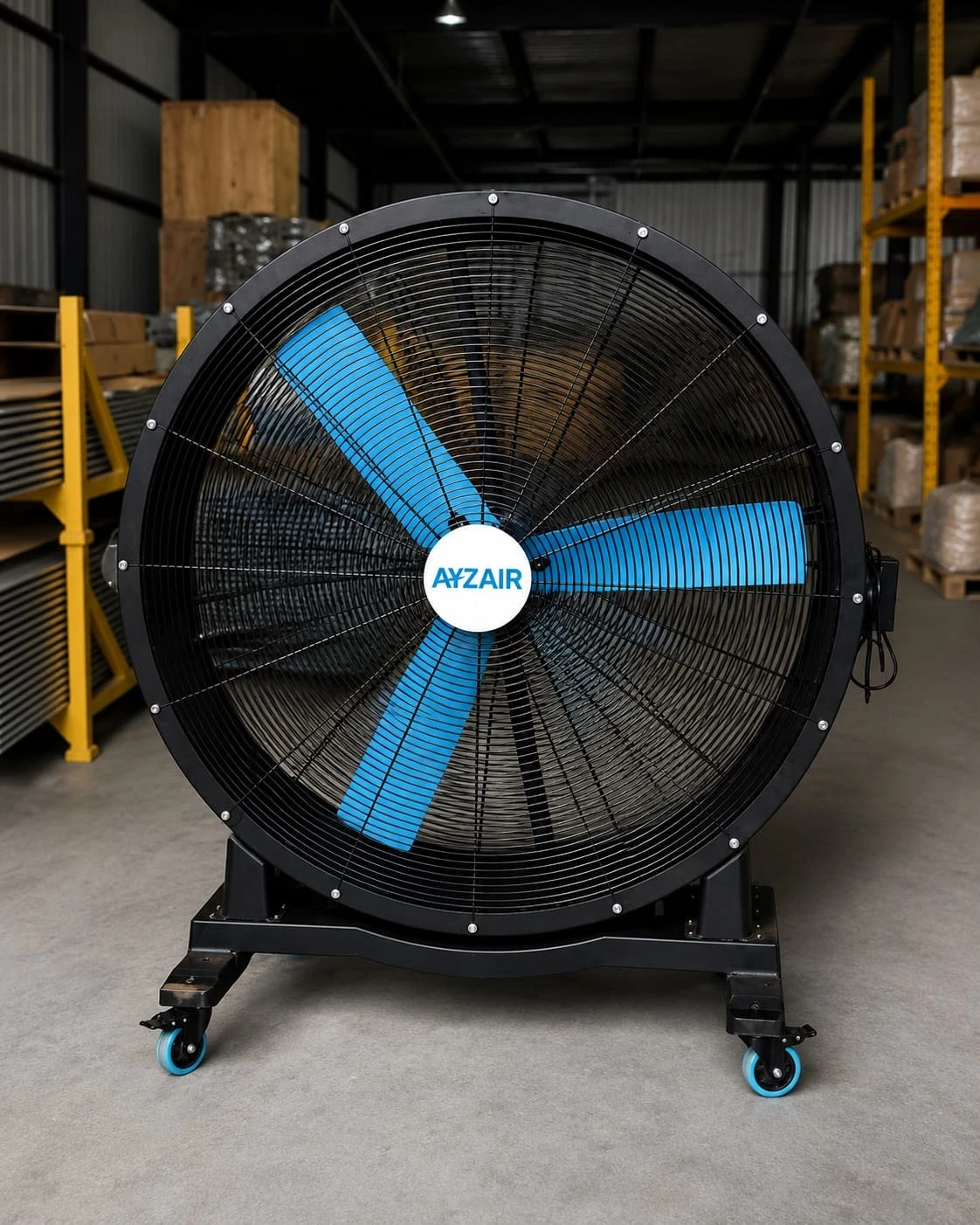
Nowhere else in South America concentrates manufacturing the way Greater São Paulo does. The ABC region south of the centre, meaning Santo André, São Bernardo do Campo and São Caetano do Sul, still carries vehicle assembly plants and the tier one component shops that feed them, while Guarulhos mixes pharmaceutical production with airport freight warehousing. Osasco and Barueri hold machinery builders, printing houses and large distribution centres along the Castelo Branco and Anhanguera axes, and the corridor running north through Jundiaí to Campinas has become the densest belt of food, electronics and third party logistics floor space in the country. These are big buildings with 10 to 14 metre roofs and long shifts, and the heat that collects under those roofs through February is what operators complain about. Fans that move the entire air volume, backed by roof and wall extraction, answer that far more cheaply than any packaged cooling plant.
São Paulo climate — the honest version
São Paulo summers hold 30–35 °C with afternoon humidity between 60 and 80 percent and heavy convective rain from December to March, so the wet bulb depression is small and evaporative cooling gives only a modest drop, which puts large diameter air movement first on any specification here.
Containers sail from Nhava Sheva to Santos in 30 to 38 days, normally with one transhipment, and the climb up the Anchieta or Imigrantes highway into Greater São Paulo takes a day · EXW · FOB · CIF · CFR
6families
Complete range supplied here
34models
Every model available to order
10–20days
Production lead time
24hrs
Sizing and quotation
The complete range
All six Ayzair families, supplied in São Paulo.
Every product we make is available in São Paulo. They are ordered by how well each one suits the local climate and the industries here, but nothing is off the list.
Where we supply
Industrial areas of São Paulo.
Who buys here
Industries in São Paulo.
- Automotive assembly and components
- Machinery and metalworking
- Pharmaceuticals and personal care
- Food and beverage
- Printing and packaging
- Distribution and third party logistics
Worth knowing locally
- Brazil reticulates 220 V and 380 V on a 60 Hz network, so every motor for a São Paulo order is wound and bench tested at 60 Hz before it leaves Pune rather than being supplied as a 50 Hz machine.
- INMETRO conformity assessment, the import licence and a duty and tax stack that regularly rivals the goods value make Brazil a slow and paperwork heavy market, so buyers should budget weeks for documentation rather than days.
- Most ABC and Barueri sheds measure 10 to 14 metres to the roof haunch, which suits a 20 ft or 24 ft fan, but crane or scissor lift access has to be booked because that mounting height rules out ladder work.
São Paulo enquiry
Get a proforma invoice for São Paulo.
Tell us the building — area, roof height and what happens inside — or name the models and quantities you already know you need. You will get USD pricing, your Incoterm, a container loading plan and a confirmed lead time within one working day.
Export desk
Answers
Supplying São Paulo — common questions
Cannot find what you need? Call +91 80871 10156 or WhatsApp us — an engineer, not a call centre, picks up.
Ask on WhatsAppAre the motors supplied at 60 Hz for Brazil?
Yes. Brazilian plants run 220 V and 380 V at 60 Hz, and because every unit is built to order, the motor, drive ratio and starter for a São Paulo shipment are specified for that frequency and tested before dispatch. A 50 Hz machine run on a 60 Hz supply changes speed, airflow and current draw, so it is never substituted. Confirm your site voltage at enquiry.
Will an evaporative cooler cope with a São Paulo February?
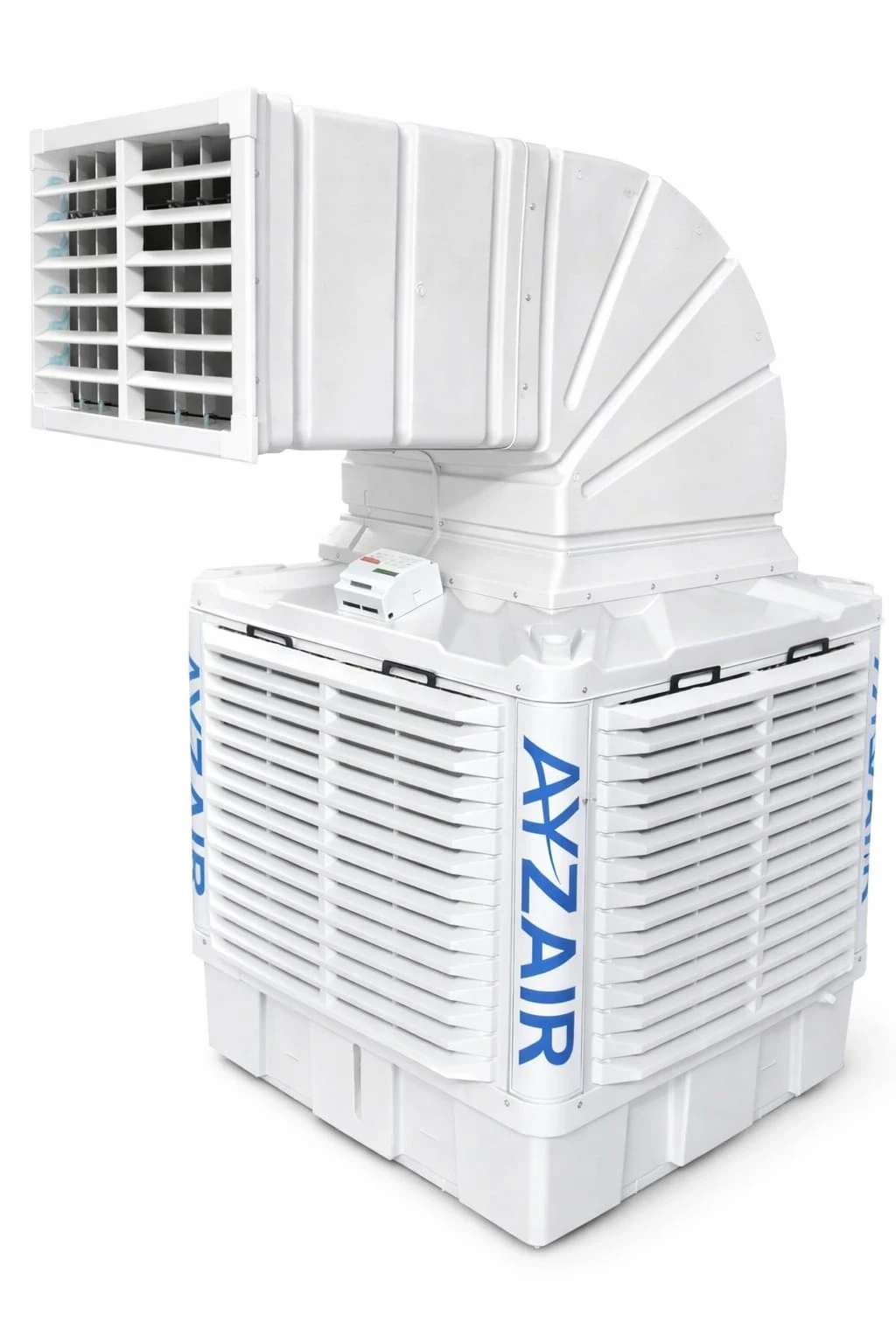
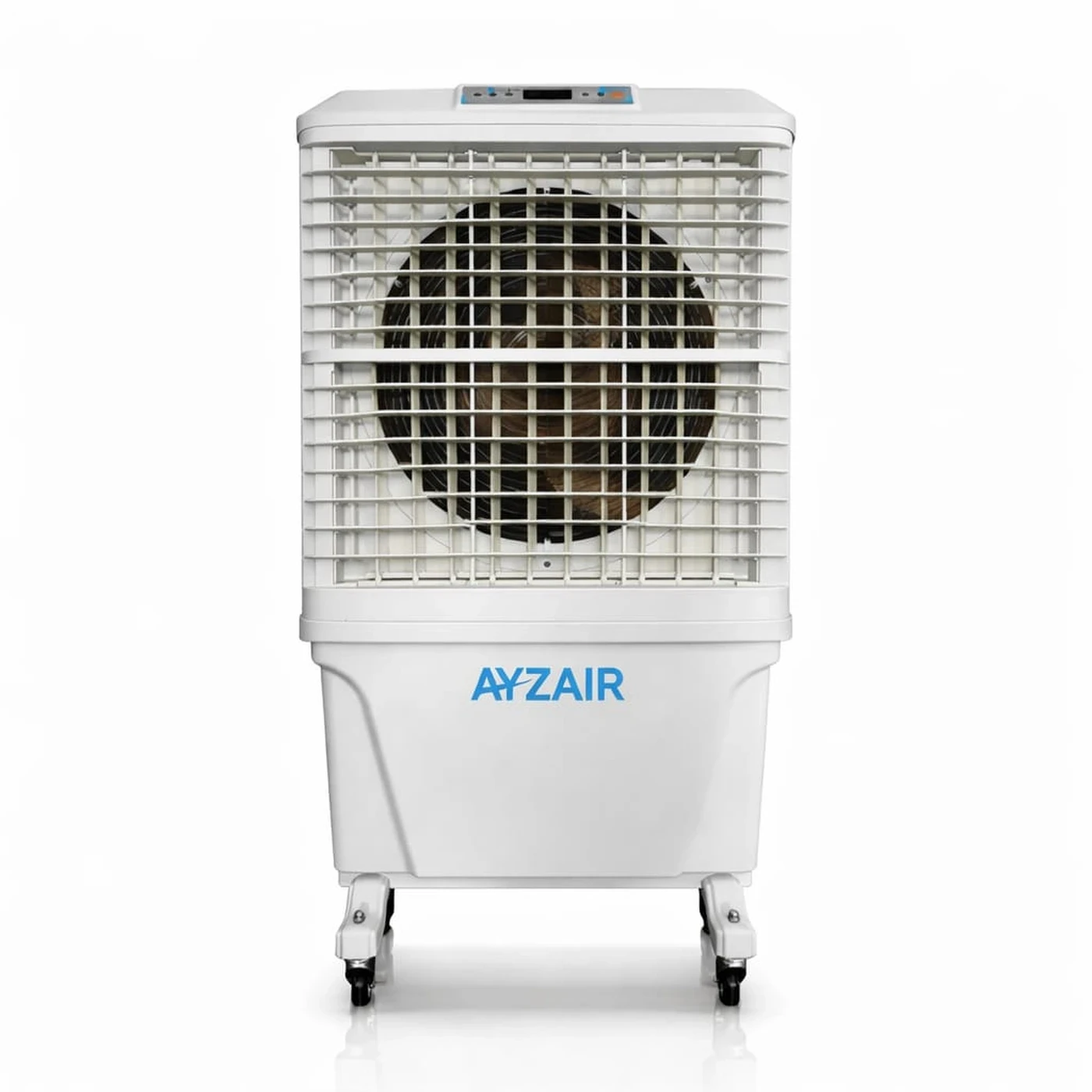
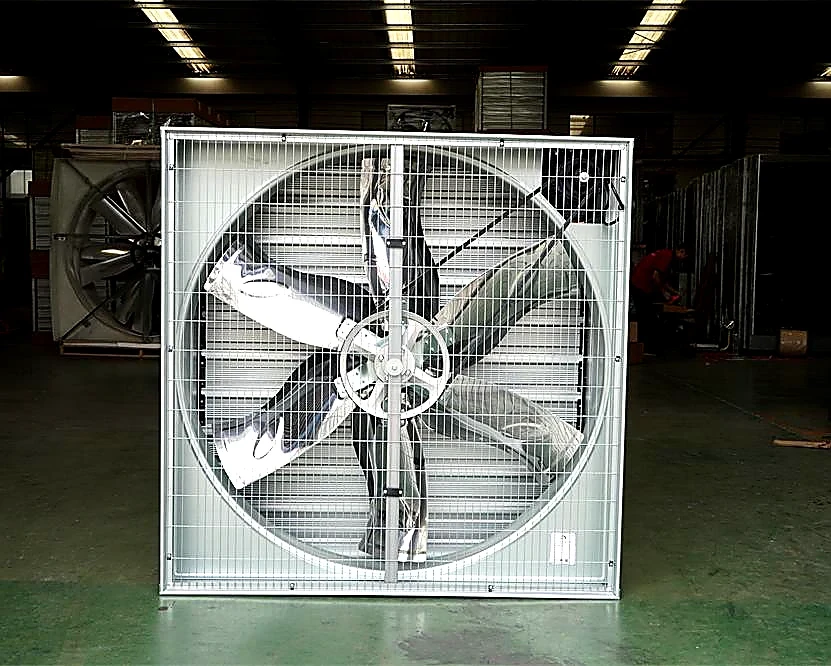
Not on its own. At 33 °C with humidity near 70 percent the wet bulb depression is narrow, so a duct cooler returns a drop of two or three degrees and functions mainly as a fresh air ventilator. Large diameter ceiling fans give the perceived relief that operators actually notice, and wall extractors clear the heat layer trapped at roof level.
How long does a shipment to Santos really take?
Plan on 30 to 38 days at sea from Nhava Sheva, almost always with a transhipment in the Middle East or Europe, then a day by road from Santos into Greater São Paulo. Adding 10 to 20 working days of manufacture and the INMETRO and licensing paperwork, most buyers see roughly three months between order and installed equipment.
Nearby
Also supplied across Brazil.
Next step
Shipping to São Paulo?
Send your requirement and we will confirm the freight route, transit time, landed cost and whether our equipment genuinely suits São Paulo conditions — before you commit to anything.