
Uganda
Industrial cooling and ventilation in Kampala
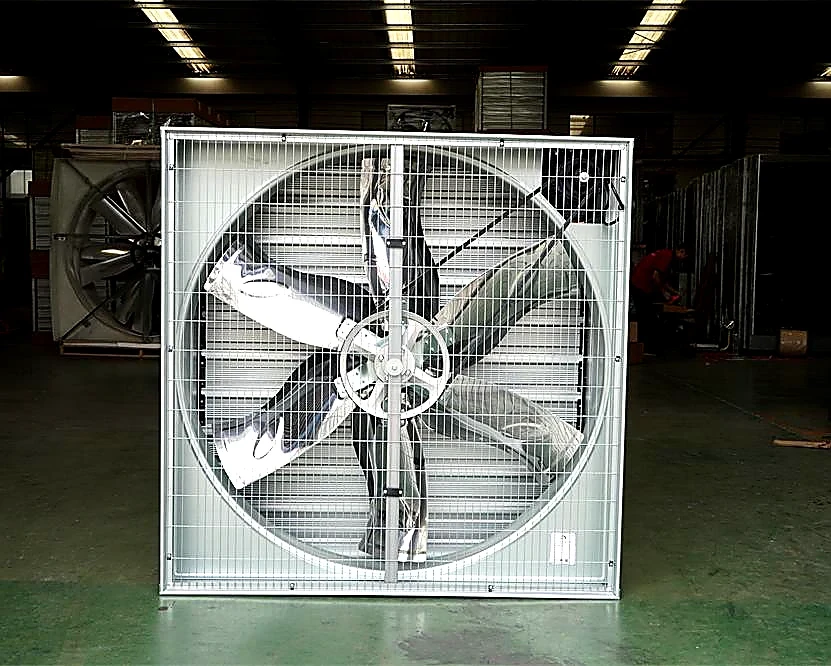
Uganda manufactures more than outsiders expect, and most of it happens within thirty kilometres of the capital. Namanve Industrial and Business Park east of the city is the largest single concentration, holding steel, cement, beverage, food and packaging plants, while Nakawa, Ntinda and Luzira carry older established factories and the Jinja corridor towards the Nile adds sugar, steel and agro processing. Mukono takes feed mills and poultry operations, and coffee and tea curing, fish processing for export and greenhouse floriculture around Wakiso complete the picture. Nothing about this climate is extreme, and it would mislead a buyer to describe Kampala as a cooling market. Buildings here suffer from stale, still air, from poultry house ammonia, from process heat with nowhere to go and from moisture sitting in stores. Extraction and overhead air movement solve those problems; a refrigeration argument would not survive the first site visit.
Kampala climate — the honest version
Kampala lies at about 1,200 m beside Lake Victoria, which holds daytime temperatures to 27–30 °C all year with humidity usually between 55 and 70 percent and no real hot season at all, so the market here is ventilation and air movement rather than any battle against extreme heat.
Cargo lands at Mombasa in 10 to 15 days or at Dar es Salaam in 12 to 18 days, then runs two to three days by road to Kampala · that inland haulage is a real cost line a buyer must price before comparing quotations.
6families
Complete range supplied here
34models
Every model available to order
10–20days
Production lead time
24hrs
Sizing and quotation
The complete range
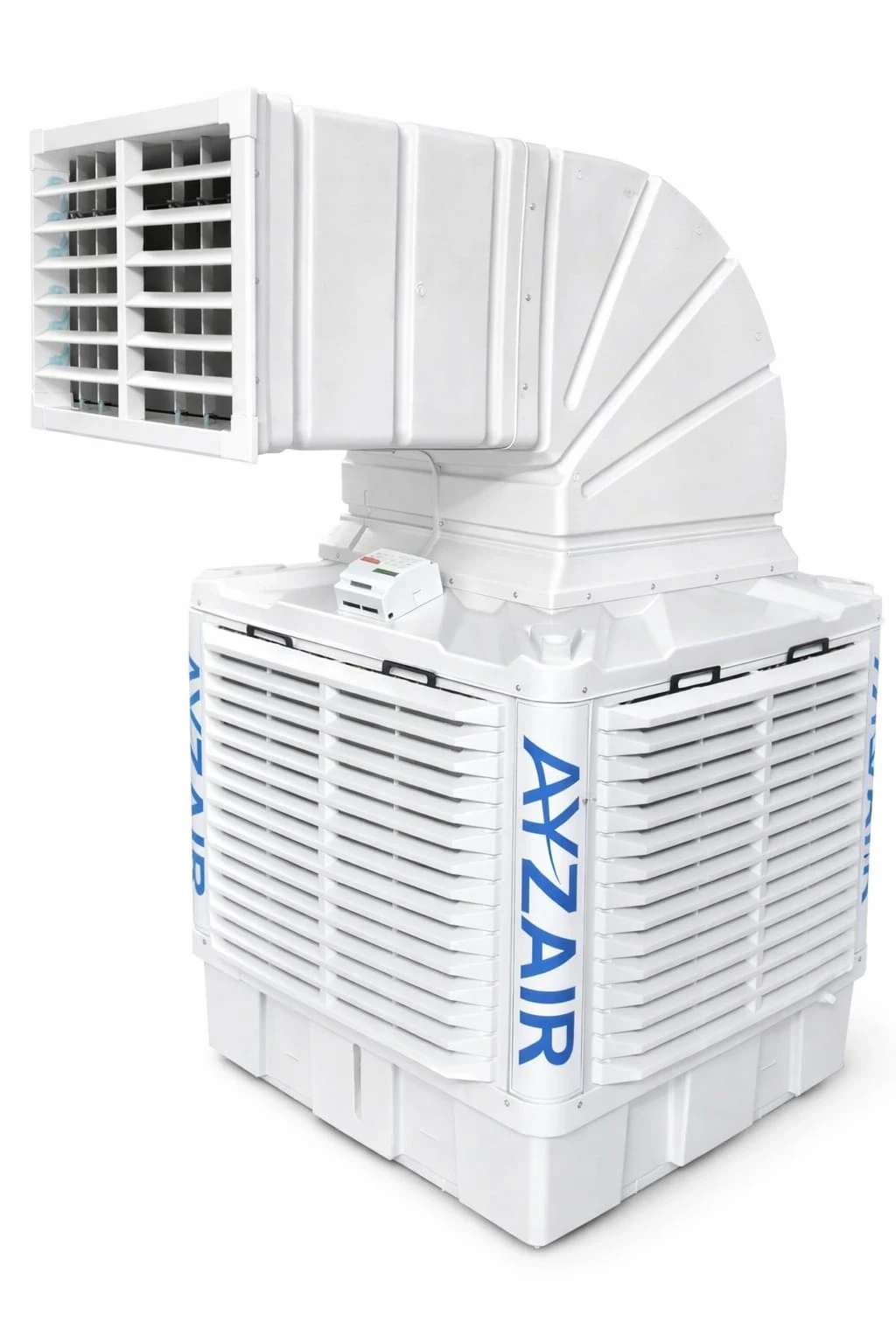
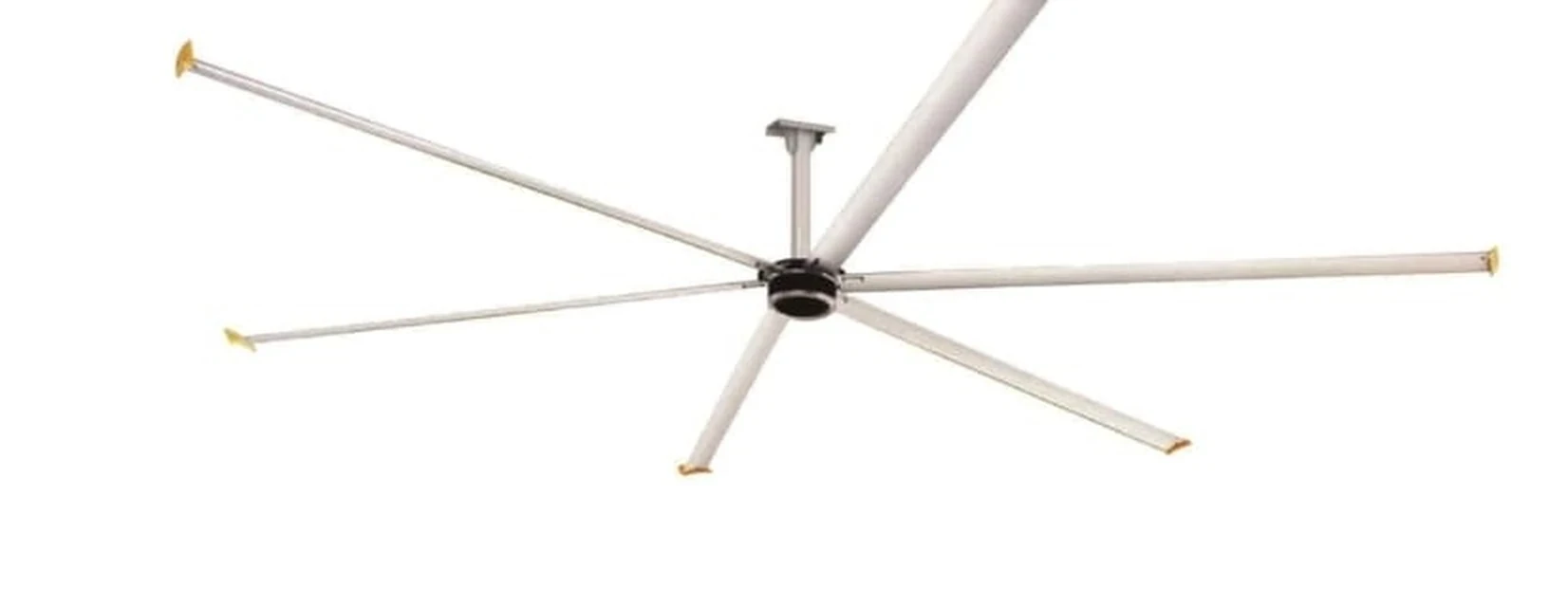
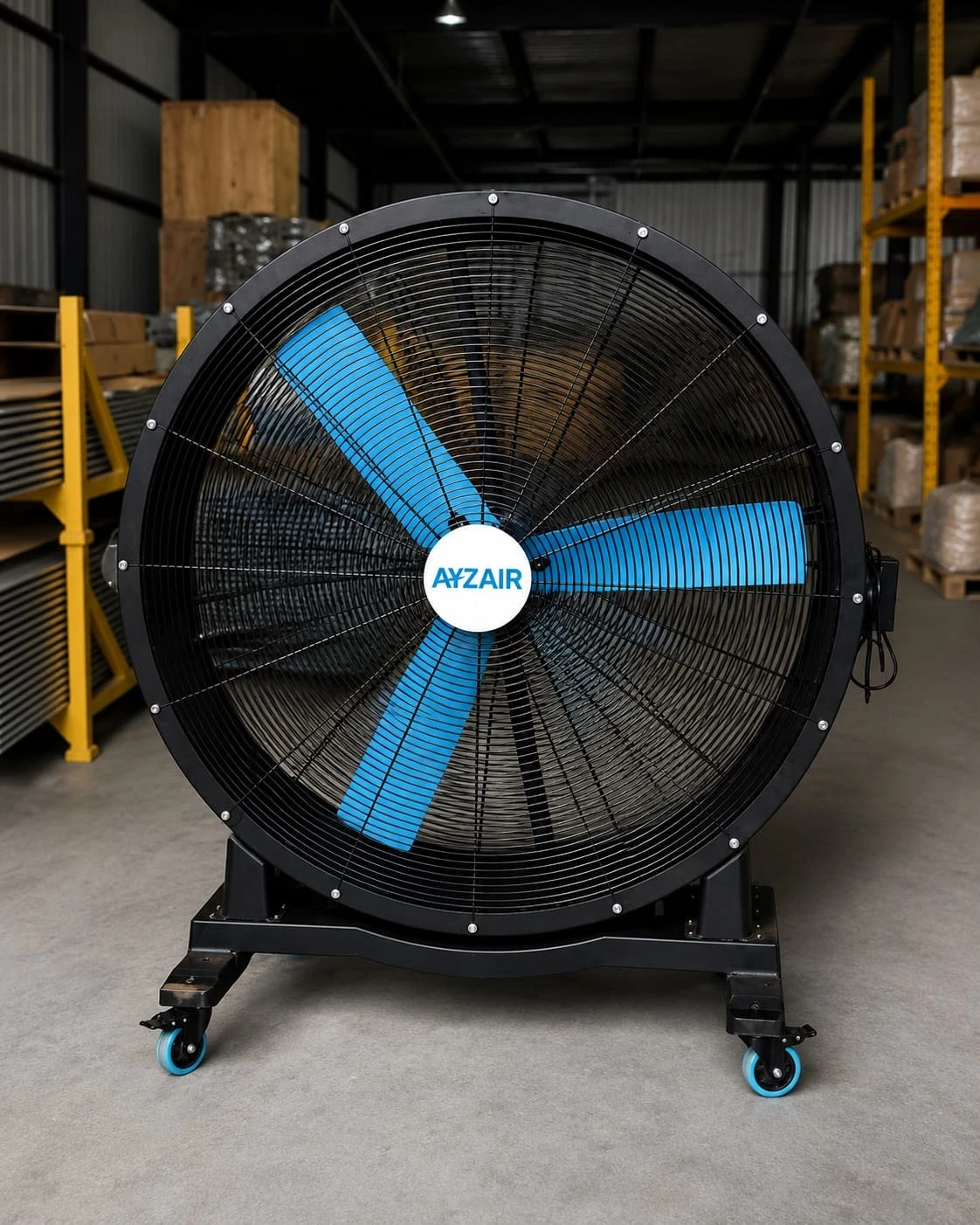
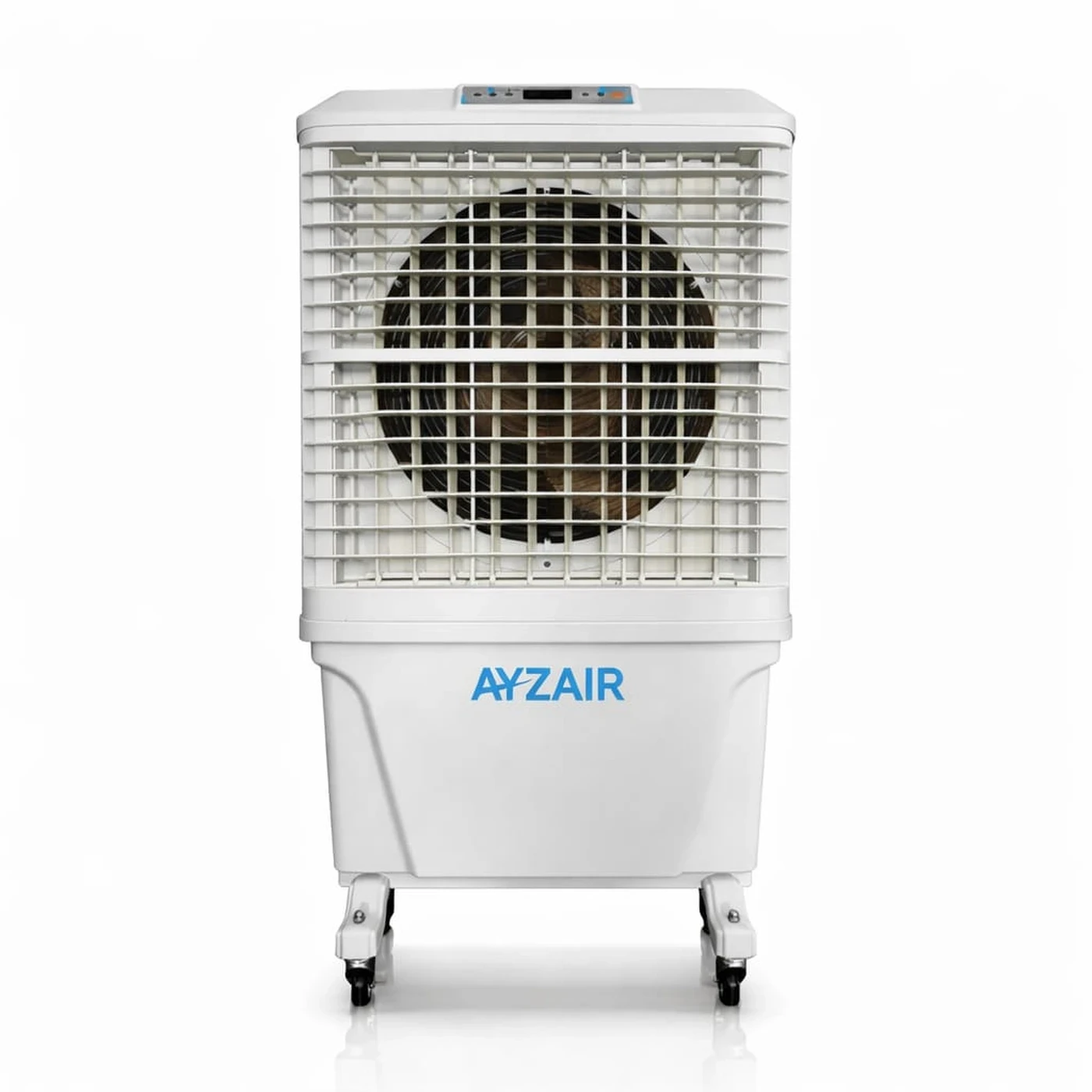
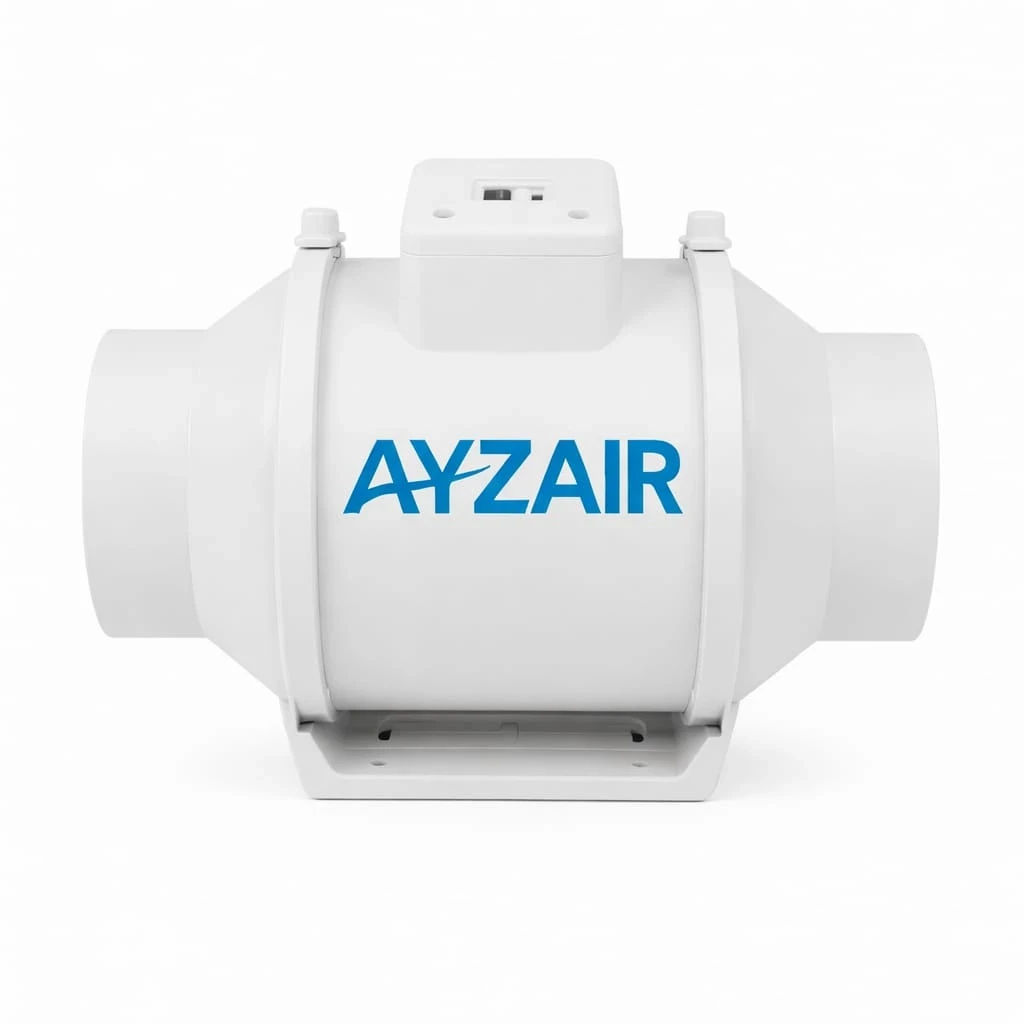
All six Ayzair families, supplied in Kampala.
Every product we make is available in Kampala. They are ordered by how well each one suits the local climate and the industries here, but nothing is off the list.
Where we supply
Industrial areas of Kampala.
Who buys here
Industries in Kampala.
- Poultry farming and animal feed
- Coffee and tea processing
- Beverages and bottling
- Steel and cement production
- Fish processing for export
- Floriculture and greenhouse growing
Worth knowing locally
- Uganda reticulates 240 V single phase and 415 V three phase at 50 Hz, which matches the motors as manufactured, so equipment is wired up and run without any modification.
- UNBS pre-export verification of conformity is required and the certificate is issued by the appointed agent in India before shipment, so the inspection is scheduled alongside the 10 to 20 working day build.
- Being landlocked, Kampala pays for two legs rather than one, so most buyers consolidate a full container instead of shipping part loads, and because fans pack densely a mixed load of fans and extractors is usually worth planning.
Kampala enquiry
Get a proforma invoice for Kampala.
Tell us the building — area, roof height and what happens inside — or name the models and quantities you already know you need. You will get USD pricing, your Incoterm, a container loading plan and a confirmed lead time within one working day.
Export desk
Answers
Supplying Kampala — common questions
Cannot find what you need? Call +91 80871 10156 or WhatsApp us — an engineer, not a call centre, picks up.
Ask on WhatsAppIs Kampala really a market for cooling equipment?
Not for cooling as such, and we would rather say so plainly. At 1,200 metres beside the lake the city sits near 28 °C all year, warm but never punishing. The money here goes on extraction for poultry houses, curing works and processing halls, and on ceiling fans that stop tall buildings going stagnant, not on lowering air temperature.
How should inland freight to Kampala be budgeted?
As a separate line. Sea transit is 10 to 15 days to Mombasa or 12 to 18 days to Dar es Salaam, after which road haulage takes two to three days and carries its own charge, transit bond and clearance steps. Comparing a landed Mombasa price against a delivered Kampala price is the commonest mistake first time importers make.
What do poultry houses around Mukono need?
Ammonia and moisture removal drive the specification here more than heat does, because lakeside air is damp and litter stays wet. Extractor count is worked out from house volume and the air change rate the birds require, with staged control so the house is not over ventilated on cool nights. Layouts are drawn from your dimensions and stocking density.
Next step
Shipping to Kampala?
Send your requirement and we will confirm the freight route, transit time, landed cost and whether our equipment genuinely suits Kampala conditions — before you commit to anything.