

Belgium
Industrial cooling and ventilation in Ghent
Ghent works along its canal. North Sea Port runs from the city to the Dutch border and carries Volvo Cars Ghent, the ArcelorMittal steelworks at Zelzate, grain and agri-processing terminals, paper mills and the bio-based plants clustered at Rodenhuize. Add food manufacturing, cold stores and the automotive supply chain that follows the car plant, and most of the region sits under tall steel roofs with doors that stay open to the quay. Cool wet North Sea air means the question here is never how to drop the temperature. It is how to stop the heating budget disappearing into a roof void, how to move air through a body shop or packing hall where people stand all day, and how to shift moisture out of a building that takes damp goods off the water. Slow HVLS fans answer the first two and steady extraction answers the third, which is why fan and exhaust orders here usually arrive together.
Ghent climate — the honest version
Ghent shares the damp North Sea pattern of cool winters around 3 °C, high year round relative humidity that rules evaporative cooling out completely, and short summer episodes reaching the low thirties inside uncooled steel buildings along the canal.
Deep sea containers normally discharge at Antwerp roughly 20 to 26 days out of Nhava Sheva, with a road leg of about an hour west to the Ghent canal zone; barge movement along the canal is an option for buyers already using it for raw materials.
6families
Complete range supplied here
34models
Every model available to order
10–20days
Production lead time
24hrs
Sizing and quotation
The complete range
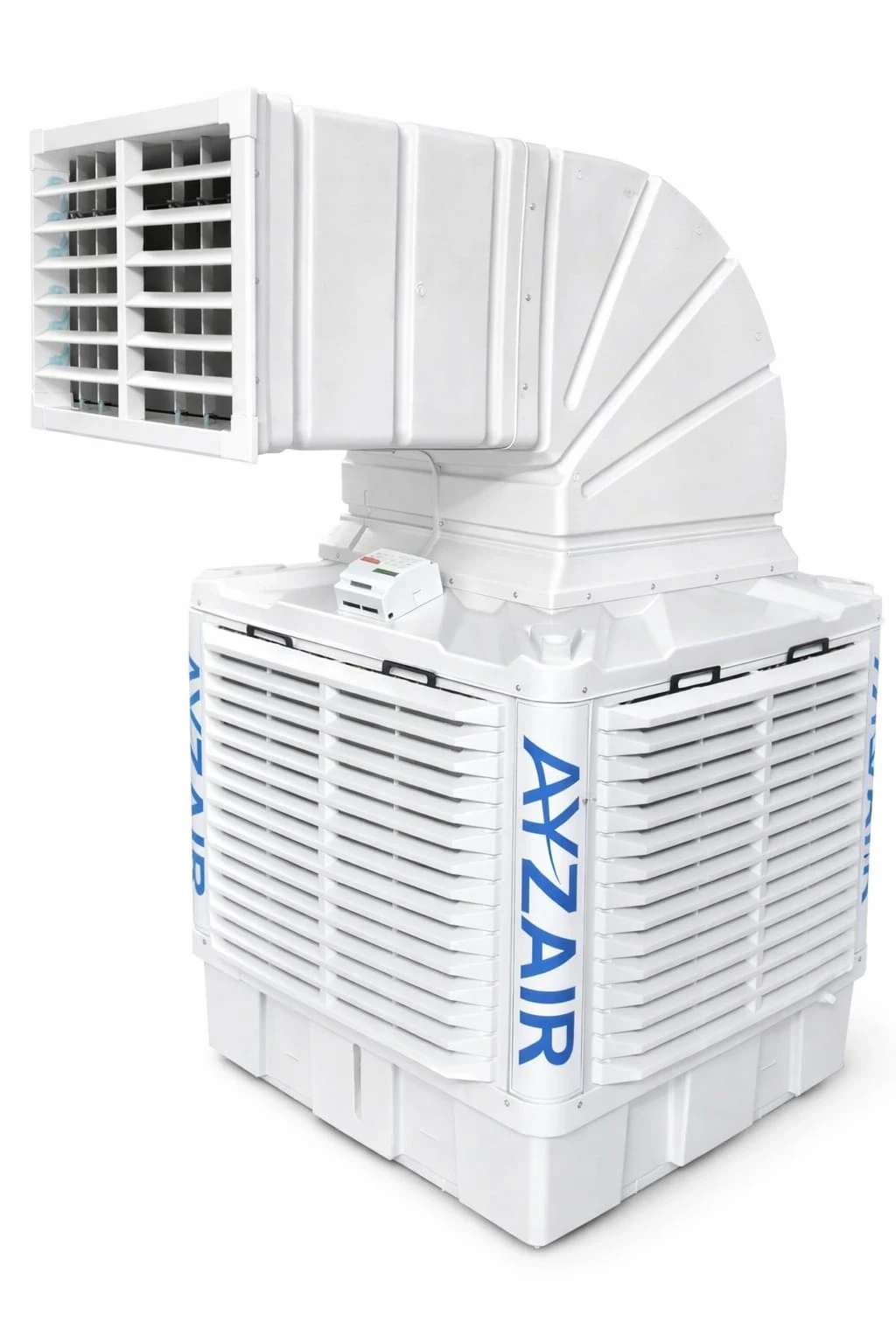
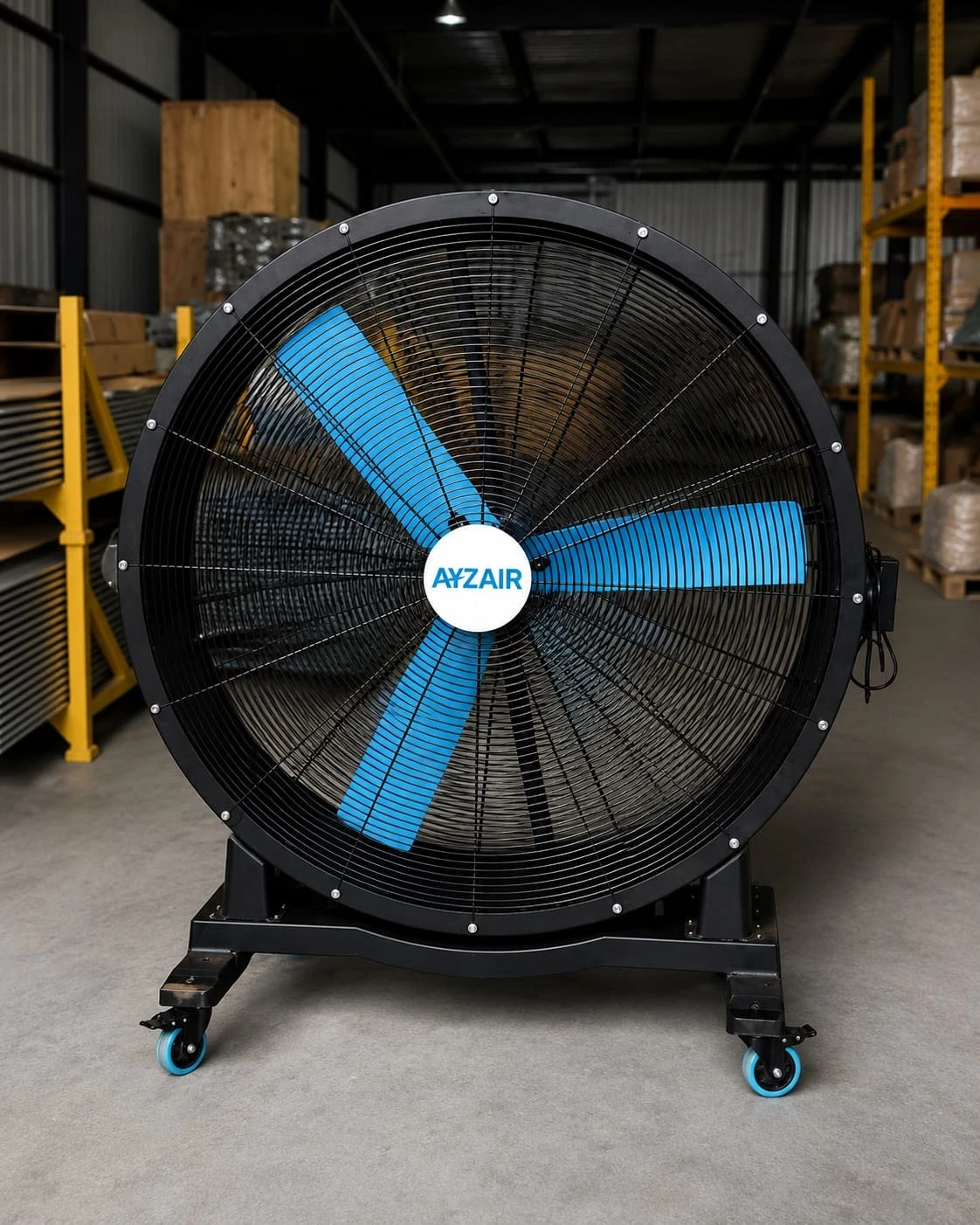
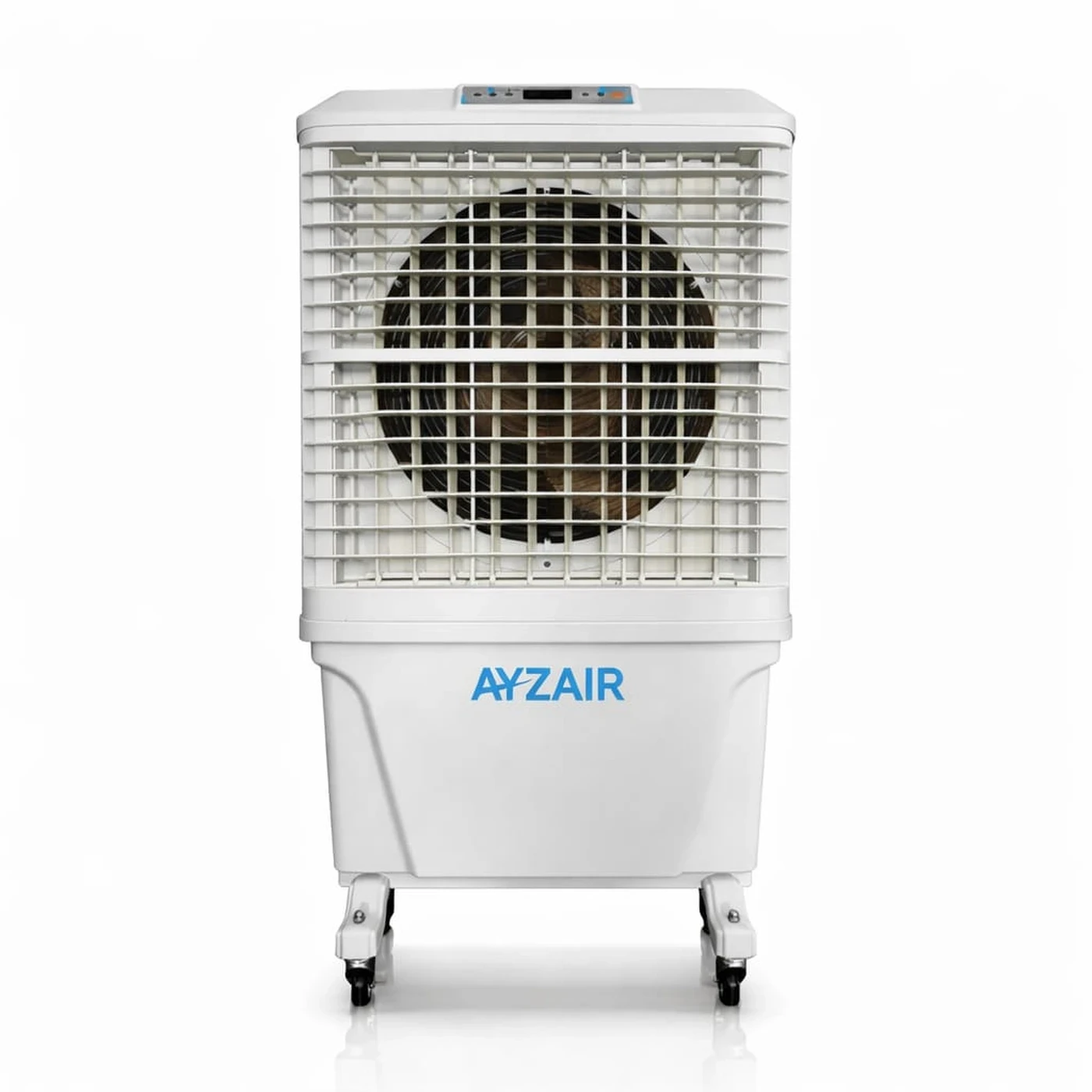
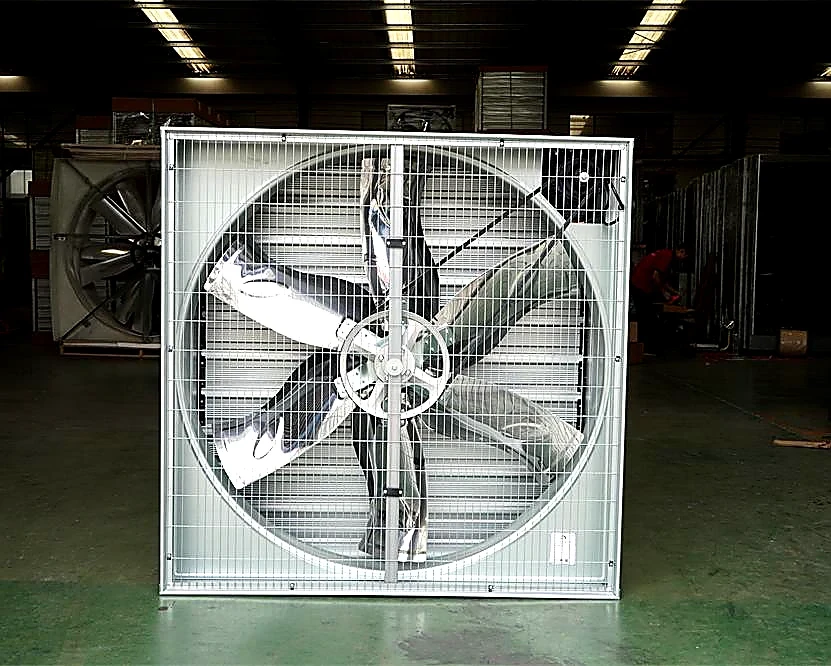
All six Ayzair families, supplied in Ghent.
Every product we make is available in Ghent. They are ordered by how well each one suits the local climate and the industries here, but nothing is off the list.
Where we supply
Industrial areas of Ghent.
Who buys here
Industries in Ghent.
- Automotive assembly and suppliers
- Steel and metal processing
- Food and agri-processing
- Bio-based and chemical production
- Paper and packaging
- Port logistics and bulk storage
Worth knowing locally
- Supply throughout the canal zone is 400 V three phase 50 Hz, which the motors are built for, so installation is a direct connection through the supplied drive.
- CE marking under the EU Machinery Directive covers import, and the accompanying IEC, LVD and EMC reports are usually what an automotive or food plant asks for before an installation permit is issued.
- Goods handled off the quay carry moisture into stores, so pairing a slow mixing fan with wall extraction prevents the still, cold corners where condensation forms on steel stock and packaging.
Ghent enquiry
Get a proforma invoice for Ghent.
Tell us the building — area, roof height and what happens inside — or name the models and quantities you already know you need. You will get USD pricing, your Incoterm, a container loading plan and a confirmed lead time within one working day.
Export desk
Answers
Supplying Ghent — common questions
Cannot find what you need? Call +91 80871 10156 or WhatsApp us — an engineer, not a call centre, picks up.
Ask on WhatsAppHow do fans help with damp rather than heat in a canal zone warehouse?
Condensation forms where air is still and surfaces are cold, which in practice means corners, roof sheets and stacked steel. Gentle continuous air movement keeps the whole volume at a more uniform temperature and stops local dew points being reached, while wall or roof exhaust removes the moisture that comes in with the goods rather than recirculating it.
Are these fans suitable for a food processing hall?
In the ambient parts of a plant, yes: packing halls, palletising areas, ingredient stores and dispatch. Motors are IP55 and enclosed, so routine washdown of the floor below is not a problem, though we would not place a unit directly over an open product line. Chilled and hygienic zones normally need ducted supply designed by the plant engineer instead.
Does a modern insulated building still stratify?
Yes. Insulation slows heat loss through the roof and walls, but it does nothing about buoyancy inside the building, so warm air still rises and collects under the deck. Measurements in well insulated Belgian sheds regularly show eight to ten degrees between floor and ridge, and that gradient is what a slow moving large diameter fan removes.
Nearby
Also supplied across Belgium.
Next step
Shipping to Ghent?
Send your requirement and we will confirm the freight route, transit time, landed cost and whether our equipment genuinely suits Ghent conditions — before you commit to anything.